Eco-Friendly Crafting: Upcycling Materials for Creative Projects
The Creative Potential of Upcycling
In a world where the impact of consumerism on our planet is becoming increasingly evident, the practice of upcycling emerges as a beacon of hope for ecologically conscious individuals. This innovative approach to crafting not only transforms what many deem as waste into beautiful and functional art but also encourages a sustainable lifestyle that resonates with environmental ideals. The act of turning discarded items into something new and purposeful reduces the strain on landfills and minimizes waste, embodying a philosophy that marries creativity with ecological responsibility.
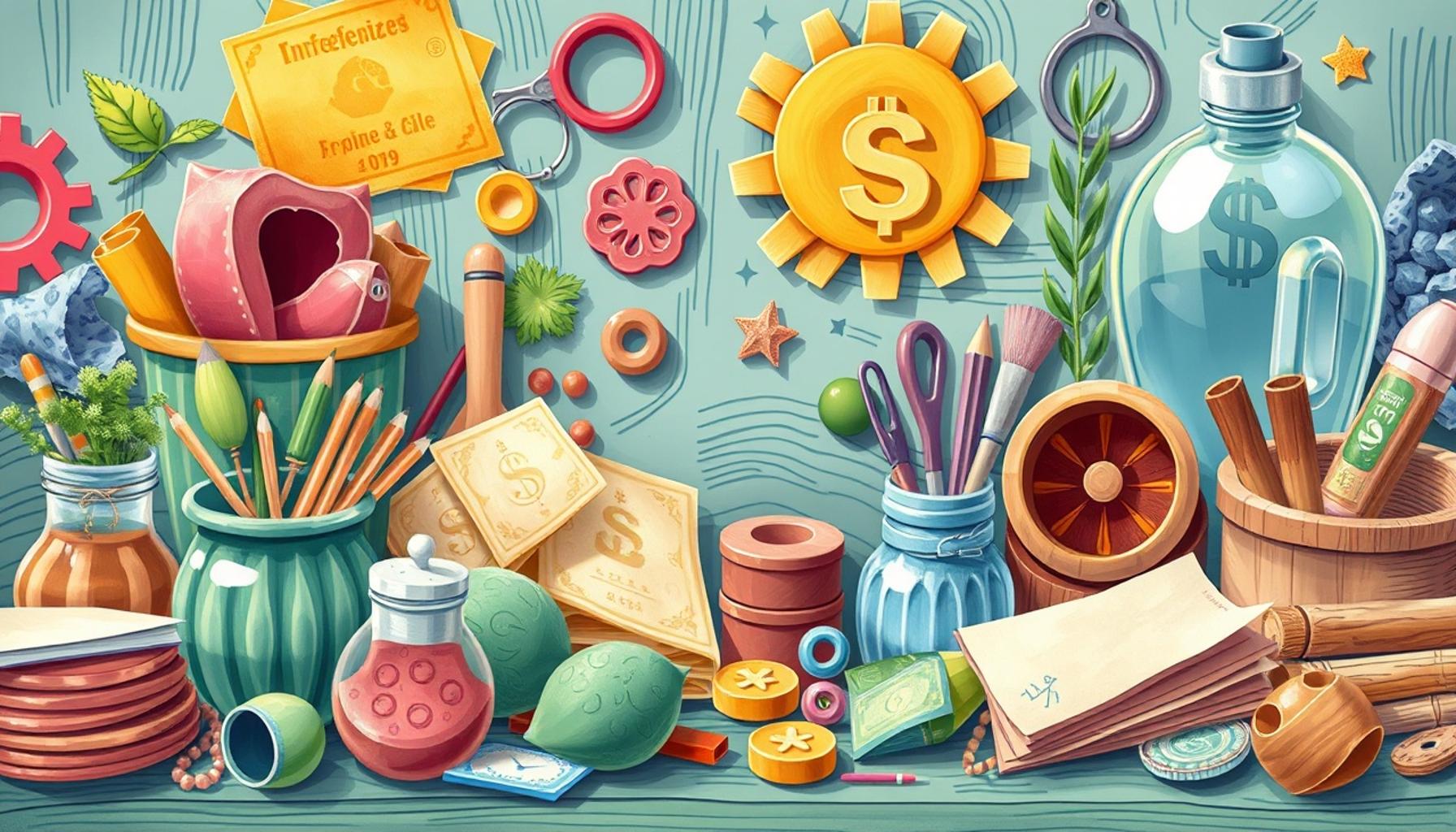
Everyday items in our homes can be reimagined through upcycling. For instance, glass jars adorned with paint or twine can serve as chic organizers for office supplies like pens and paper clips, or they can be easily converted into attractive planters for herbs or succulents. Similarly, old clothing can be transformed into unique quilts, bags, or even fashionable accessories, allowing a new life to garments that would otherwise gather dust at the back of a closet. Moreover, cardboard boxes can take on an artistic role as imaginative sculptures or practical storage solutions, encouraging creativity while keeping the environment in mind.
Engaging in eco-friendly crafting opens up a vast array of creative possibilities that go beyond mere aesthetics. Individuals can create stunning home décor items such as wall art made from reclaimed wood or charming photo frames from discarded materials. Not only do these projects serve as conversation starters, but they also add a personal touch to one’s living space. Crafting one-of-a-kind gifts for friends and family, such as custom-made jewelry holders or hand-painted tote bags, offers a heartfelt alternative to mass-produced items, often making gifts more meaningful and cherished.
Beyond decoration and gifting, there is immense potential for developing functional items that combine beauty and utility. Think of a stylish bench made from repurposed pallets or a coffee table created from old furniture parts. These inventive pieces not only serve practical purposes but also reflect the unique personality and values of their creators.
At the core of the upcycling movement lies an invitation to rethink waste and embrace a more sustainable lifestyle. As you dive into this rich world of crafting, let your imagination soar and discover how sustainable practices can enhance your creativity in remarkable ways. For those eager to explore further, many local communities and online platforms offer workshops and resources focused on eco-friendly crafting, enabling everyone—from beginners to seasoned artisans—to engage in this green revolution. With so many possibilities at your fingertips, the journey of upcycling is not only rewarding for the planet but can also yield extraordinary creations that inspire others.
Transforming Trash into Treasure
One of the most appealing aspects of upcycling lies in its accessibility; nearly anyone can participate in this art form using materials found in their own homes. Recognizing this potential can be liberating and surprisingly empowering. Households accumulate a vast array of items that, with just a bit of creativity and effort, can be turned into something functional or artistic. Below are some common household materials that can be upcycled into creative projects:
- Plastic Bottles: Instead of discarding empty plastic bottles, consider cutting them into innovative watering cans, bird feeders, or even decorative lanterns. With some paint and creativity, these items can brighten up any space.
- Old Furniture: Giving new life to old furniture is one of the most rewarding aspects of upcycling. A fresh coat of paint, some new upholstery, or simply rearranging its parts can turn a tired chair or table into a statement piece within your home.
- Magazines and Newspapers: These can be repurposed into handmade paper, trendy collages, or even unique baskets. Using textured pages to create visual art adds a personal touch and showcases creativity while providing a stylish way to declutter.
- Worn Out Shoes: Think twice before tossing those favorite old kicks. With the right tools, they can be transformed into planters, stylish wall art, or even a quirky storage solution for small items.
The beauty of eco-friendly crafting is rooted in individual expression—instead of following conventional trends, artisans create pieces that reflect their values and creativity. It is not just about making do with less; it is about envisioning what could be and fostering the ability to see potential where others might see trash.
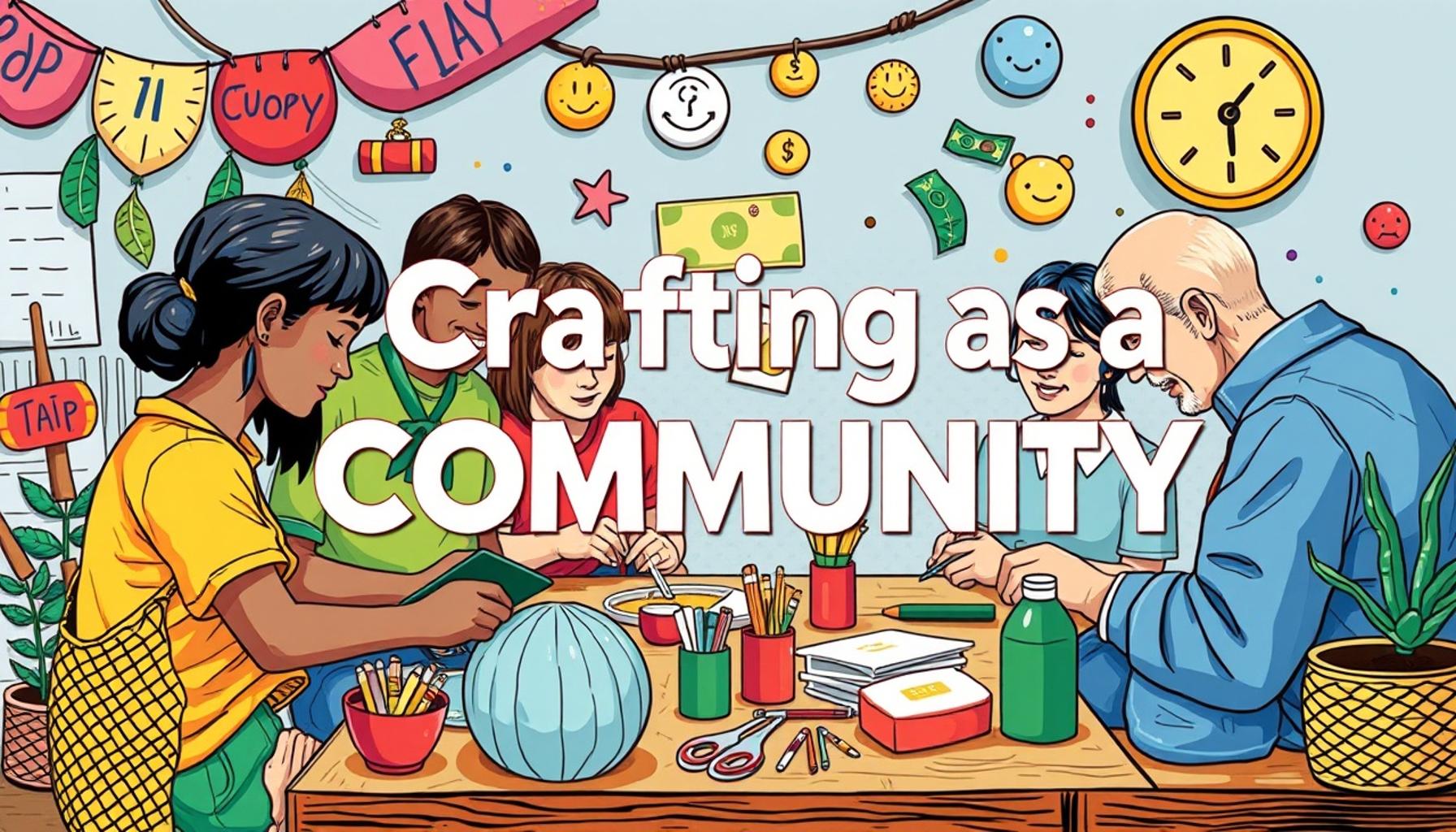
Moreover, engaging in upcycling promotes a sense of community and collaboration. Many local maker spaces and DIY workshops have sprung up across the United States, inviting individuals to explore eco-friendly crafting together. Participating in these communal spaces not only sharpens one’s skills but also fosters connections with like-minded individuals passionate about sustainability. These workshops often feature tutorials on transforming specific materials, including fabric scraps into tote bags or wooden pallets into garden furniture, making the learning process both fun and impactful.
As awareness about environmental sustainability grows, so does the market for upcycled products. Artisans who master the art of upcycling can even turn their hobbies into profitable small businesses. Unique items made from upcycled materials gain attention in artisan markets, craft fairs, and online platforms like Etsy, where consumers actively seek out distinctive, eco-friendly products. By supporting these creators, shoppers contribute to a larger movement advocating for sustainable practices, demonstrating a collective shift towards responsible consumerism.
Overall, the world of upcycling is rich with opportunities for creative expression and environmental mindfulness. As you explore this path, remember that each project offers a chance to not only personalize your space or gift items with a story but also to make a positive impact on the planet. Embrace the challenge, and let your resourcefulness shine through.
| Category | Key Features |
|---|---|
| Upcycling Inspiration | Utilizing everyday waste to create innovative and functional items adds uniqueness and personal flair to crafting projects. |
| Environmental Impact | Encourages sustainable practices by reducing waste and promoting the reuse of materials, contributing significantly to a greener planet. |
Upcycling is not merely a trend; it represents a profound movement towards sustainable living. In the world of eco-friendly crafting, the practice of reimagining used items provides crafters with numerous possibilities. For instance, old mason jars can be transformed into stunning lanterns, while discarded fabric can be fashioned into fashionable tote bags. Each creative project tells a story and often serves as a conversation starter about the importance of waste reduction.Moreover, the benefits of upcycling extend beyond personal creativity. With an increased emphasis on environmental consciousness, consumers are seeking out eco-friendly products. Embracing upcycling can elevate a crafter’s portfolio, offering an avenue for potential income through the sale of unique, handcrafted items.As you delve deeper into the world of eco-friendly crafting, consider the diverse materials at your disposal, the innovative techniques you can apply, and the positive impact you can have on the environment—all while expressing your artistic vision and ideas!
Innovative Ideas for Upcyclying
As eco-consciousness rises, many artists and crafters are diving into the world of upcycling to create functional and aesthetically pleasing items. Let’s explore more unique ways to transform everyday materials into beloved crafts, pushing the boundaries of creativity while ensuring environmental responsibility.
One increasingly popular medium for upcycling is textiles. Old clothes and fabric scraps can breathe new life into projects such as quilts, patchwork bags, or draped wall hangings. Upcycling fabric not only prevents textile waste from ending up in landfills but also allows crafters to experiment with patterns and textures. For instance, t-shirts can be braided to create fashionable rug designs or reimagined into trendy tote bags. Sewing communities often organize “swaps” where participants trade fabrics they no longer use, making it easy to score materials for new projects while fostering local connections.
Another versatile material ready for a creative renaissance is cardboard. With its sturdy yet pliable nature, cardboard can be transformed into a plethora of projects, such as stylish storage solutions or even intricate sculptures. By layering and cutting, crafters can create architectural pieces that not only showcase artistic talent but also serve a purpose at home, such as organizers for office supplies or art displays. Have fun experimenting by turning pizza boxes into creative gift boxes that continue the story of their previous life.
Crafters involved in paper arts can harness the power of scrap paper beyond mere wrapping. With sources like old blueprints, unwanted bills, or even office paper, enthusiasts can create intricate greeting cards, bookmarks, or decorative wall art. Techniques such as quilling or paper-mâché allow for the creation of stunning pieces that capture the eye while making statements about sustainability. The practice of paper recycling not only minimizes waste but also invites conversations about mindful consumption.
Glass jars are another underappreciated resource awaiting transformation. Repurposing these containers can lead to a myriad of projects, from chic candle holders to herb gardens. With a little paint or some twine, empty jars can be adorned to become unique centerpieces for your dining table or functional storage for kitchen essentials. Beyond aesthetics, they can also reduce plastic usage by serving as eco-friendly alternatives for food storage, proving that upcycling offers practical solutions.
As makers gain recognition for their upcycled items, online platforms have become fertile ground for community engagement and resource sharing. Social media channels including Instagram and Pinterest showcase the versatility of upcycling, filled with #DIY tutorials and inspiration for newcomers. By following these platforms, crafters can connect globally, discovering innovative techniques and trends. Numerous online challenges also encourage individuals to showcase their upcycled creations, promoting a culture of replication and invention.
Combining curiosity with environmental responsibility, the upcycling process creates endless possibilities for enhancing creativity and sustainability in our daily lives. This artistic journey encourages everyone to delve into their own homes, inspired not only to reduce waste but also to create distinctive pieces that tell a story. Whether you are a seasoned crafter or a curious beginner, the world of eco-friendly crafting awaits your unique touch.
Embracing Eco-Friendly Crafting
In conclusion, the world of eco-friendly crafting through upcycling opens a treasure trove of creative possibilities while championing sustainability. By giving new life to everyday materials like textiles, cardboard, scrap paper, and glass jars, crafters are not merely reducing waste; they are embracing an ethos that values creativity alongside environmental stewardship. As we have explored, the innovations arising from repurposed materials illustrate that functionality and artistry can coexist harmoniously.
This movement is not just a trend; it is a call to action for individuals to rethink their consumption habits and find beauty in the overlooked. Communities and online platforms have emerged as vital resources, uniting like-minded individuals who share a passion for crafting sustainably. By engaging with these networks, crafters can exchange ideas, showcase their work, and inspire a ripple effect of creativity and environmental responsibility.
Ultimately, every upcycled project serves as a conversation starter, sparking discussions about sustainable practices and mindful consumption. Whether you’re crafting a unique home decor piece or a thoughtful gift, remember that with each creation, you contribute to a larger narrative of sustainability. Your artistic journey in eco-friendly crafting not only nurtures creativity but also honors the world around you. So, gather those materials, unleash your imagination, and join the movement toward a more sustainable and beautiful future.