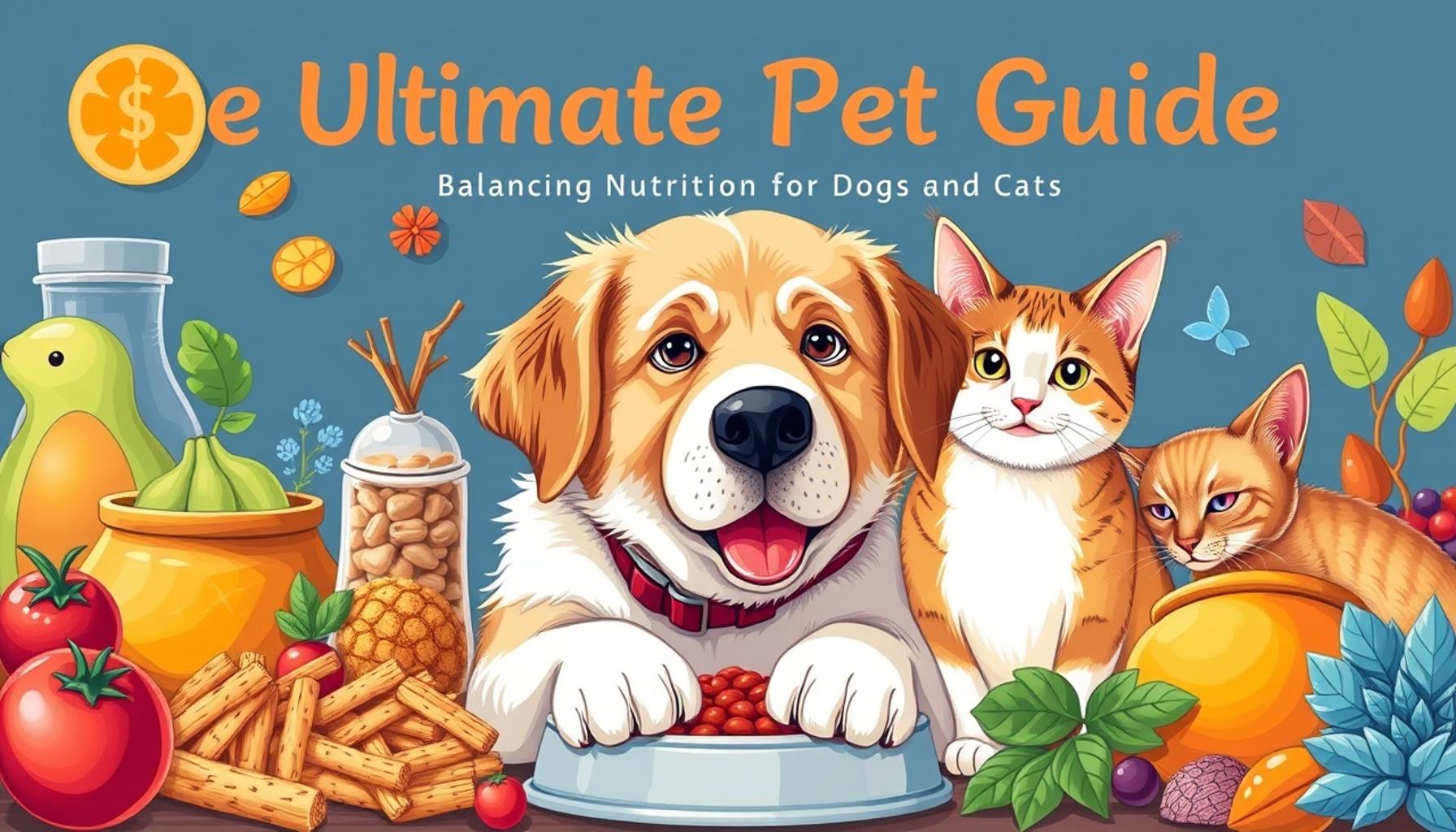
Top 5 Nutrition Tips for Maintaining a Healthy Weight in Pets

Why Nutrition Matters
Maintaining the well-being of your pets is a multifaceted endeavor that significantly hinges on nutrition. With recent studies revealing that approximately 60% of dogs and cats in the United States are overweight or obese, it’s clear that flawed dietary habits contribute to this pressing problem. Obesity can lead to a range of serious health issues, including diabetes, joint problems, and a shorter lifespan. Therefore, understanding and improving your pet’s nutrition is not merely beneficial; it’s essential.
Portion Control
Portion control is critical in ensuring your furry friends receive the right amount of calories and nutrients. While it’s tempting to offer a heaping bowl of food, it’s crucial to tailor portion sizes to your pet’s specific age, breed, and activity level. For instance, a young, active Labrador may require more calories than a senior Chihuahua who prefers a sedentary lifestyle. Many pet food brands offer feeding guidelines based on these factors, which can serve as a helpful starting point. Additionally, you can consult your veterinarian for a personalized feeding plan, which can be especially beneficial for pets with underlying health conditions.
Quality of Food
The quality of food is just as important as the quantity. Not all pet foods are created equal; some are packed with fillers and artificial additives that provide little nutritional value. When selecting pet food, prioritize brands that list real meat, fruits, and vegetables as primary ingredients. Nutrient-dense options support your pet’s immune system, skin health, and energy levels. Additionally, consider age-appropriate formulas, as puppies, adults, and seniors have different nutritional needs. Products like grain-free or high-protein options can also help in managing weight, depending on your pet’s specific requirements.
Regular Feeding Schedule
Establishing a regular feeding schedule is beneficial for both you and your pet. Consistency helps regulate their appetite and curbs begging behaviors, which are often the result of unpredictable feeding patterns. By scheduling meals at the same time each day, you can create a predictable routine that fosters discipline in eating habits. For instance, if you feed your dog twice a day, use a portioned measuring cup to control intake accurately. This can prevent overfeeding and ensure that your pet doesn’t develop a habit of constantly scavenging for food.
Understanding Dietary Needs
Each pet has unique dietary needs shaped by various factors like breed, age, activity level, and health conditions. More than just following generic guidelines, it’s essential to consider the unique makeup of your pet. For instance, older pets might benefit from specially formulated senior diets that are lower in calories but enriched with nutrients for joint health. Conversely, active breeds may need diets supplemented with high-protein content to maintain muscle mass. Regular monitoring of your pet’s weight should lead to timely adjustments in their diet as needed, ensuring they develop and maintain healthy habits throughout their lives.
Conclusion
In conclusion, managing your pet’s weight and health involves a meticulous approach to nutrition that includes paying attention to portion sizes, food quality, establishing consistent feeding schedules, and understanding their specific dietary needs. As we continue, we will delve deeper into the top 5 nutrition tips every pet owner should know to foster a healthier lifestyle for their animals. With conscious and informed decisions, you can contribute positively to the quality of life of your beloved pets, helping them lead vibrant and active lives.
Essential Nutrition Tips for Happy and Healthy Pets
As pet owners, we often prioritize our furry friends’ happiness, yet their physical health thrives on one fundamental aspect: nutrition. A balanced diet tailored to your pet’s individual needs can truly be the cornerstone of maintaining a healthy weight and preventing weight-related health issues. In the pursuit of keeping our pets fit and agile, here are some essential nutrition tips that can lead the way:
1. Learn to Read Labels
Understanding pet food labels can be a key factor in ensuring your pet receives the right nutrients. It’s essential to choose products that clearly list ingredients rather than vague terms. Look for real meat as the first ingredient and avoid foods that list fillers like corn or soy as primary components. Nutritionists recommend that discerning pet owners focus on brands that have undergone feeding trials and showcase certifications from organizations, such as the Association of American Feed Control Officials (AAFCO). By grasping the contents of your pet’s food, you can make informed decisions that contribute to their overall health.
2. Emphasize Healthy Treats
Treats, while a delightful way to indulge your pet, can significantly contribute to excessive calorie intake. It’s crucial to opt for healthy, low-calorie treats or consider using fresh fruits and vegetables, such as carrots or apple slices, which are both enjoyable and nutritious for your pet. Additionally, keep treats to about 10% of your pet’s daily caloric intake to ensure they remain a delightful supplement rather than a detriment to their diet. By doing this, you not only keep your pet engaged during training sessions but also reinforce a healthier lifestyle.
3. The Power of Hydration
Never underestimate the role of fresh water in your pet’s diet. Proper hydration can help with digestion and can even influence a pet’s appetite. Ensure your pet has access to clean water at all times; this is especially crucial for pets that consume dry kibble. To further enhance hydration, consider incorporating wet food into their meals, as this can also contribute additional moisture and fewer calories.
4. Mindful Snacking
It’s often said that pets have a heightened ability to beg, and acknowledging their periodic requesting can lead to over-snacking. Being mindful of snacking habits is essential; it is advisable to keep track of how many treats or snacks you share throughout the day. A great strategy is to designate specific times for treats or snacks, which can discourage constant begging and create a more structured food schedule.
5. Regular Vet Check-ups
No one knows your pet better than you, but a veterinarian can provide insights that take your pet’s nutrition to the next level. Regular check-ups can help monitor your pet’s weight and guide dietary adjustments as needed. Your vet may even suggest specialized diets or supplements tailored to your pet’s unique health requirements. By proactively seeking professional advice, you can make informed decisions that optimize your pet’s nutrition.
Implementing these practical nutrition tips can significantly improve your pet’s overall health and contribute to sustainable weight management. By remaining alert to the specifics of their diet and adopting these conscious practices, you can foster a lifetime of wellness and vitality for your beloved companions. The path to a healthier weight is paved with knowledge and thoughtful choices—make it count for your pets!
Top 5 Nutrition Tips for Maintaining a Healthy Weight in Pets
As pet owners, ensuring our furry friends maintain a healthy weight is essential for their overall well-being. Nutrition plays a pivotal role in achieving this goal. Below are some practical nutrition tips tailored to help manage your pet’s weight effectively.
| Nutrition Tip | Benefits |
|---|---|
| Portion Control | Prevents overeating and helps maintain stable weight. |
| High-Quality Protein | Supports muscle maintenance while promoting satiety. |
| Dietary Fiber | Helps regulate digestion and increases feelings of fullness. |
| Fresh Water Access | Encourages hydration which can reduce hunger signals. |
| Limit Treats | Prevents weight gain and promotes healthier eating habits. |
These nutrition tips not only help in maintaining a healthy weight but also contribute to your pet’s long-term health. Understanding portion sizes and choosing the right ingredients can significantly impact your furry companion’s life, leading to a more energetic and happy existence. Remember that each pet is unique, and consulting your veterinarian for tailored advice is always the best course of action.
Building a Balanced Diet for Optimal Health
In addition to understanding what to feed our pets, it’s essential to focus on the composition and variety of their meals. A balanced diet tailored to their life stage and activity level can promote not just weight management, but overall vitality. Here are more nutrition tips to help foster a healthier lifestyle for your beloved animal companions:
6. Portion Control is Key
Portion control can often be overlooked, yet it plays a crucial role in maintaining a healthy weight for pets. Overfeeding, even with nutritious food, can lead to obesity. It’s advisable to consult with your veterinarian to determine the ideal portion sizes based on your pet’s weight, age, and energy needs. Utilizing measuring cups or food scales can ensure you’re providing the correct amount at each feeding. Many pet food brands provide guidelines on serving sizes, but individual needs may vary. Regularly adjusting portions based on changes in activity or weight can make a significant difference in achieving a healthy weight.
7. Variety is Vital
Just like humans, pets can benefit from a varied diet. This not only keeps their meals interesting but also ensures a wider range of nutrients. Introducing different proteins, like chicken, beef, or fish, can contribute to balanced nutrient intake. It’s important to transition between foods gradually to prevent digestive upset. You might also consider rotational feeding, where you change the protein source or brand every few weeks, providing your pet with a range of tastes and health benefits. Remember, however, that abrupt changes in diet can lead to gastrointestinal issues, so always proceed with caution.
8. Beware of Hidden Calories
Many pet owners might not realize that some common practices can contribute to hidden calorie consumption. For example, kitchen scraps or table food may seem like harmless treats but often contain high levels of fat, sugar, or salts that are not beneficial for pets. Instead, focus on designated pet food and approved treats. Additionally, during festive seasons or family gatherings, be mindful of what’s being shared with your pets. Educating family members and guests will help prevent any accidental indulgences that might undermine your pet’s weight management goals.
9. Incorporating Probiotics for Digestive Health
A healthy gut contributes significantly to a pet’s overall health and can impact their ability to maintain a healthy weight. Introducing probiotics into your pet’s diet can improve digestion, help with nutrient absorption, and even support the immune system. Foods that contain live cultures or supplements available in health food stores can be excellent additions to your pet’s meals. Always consult your veterinarian before adding new supplements to ensure they cater to your pet’s unique health profile and dietary needs.
10. Exercise: A Crucial Part of the Equation
Nutrition and exercise go hand in hand when it comes to maintaining a healthy weight in pets. While this may seem tangential to diet, it’s essential to recognize that physical activity complements nutritional practices. Regular walks, play sessions, or interactive games keep your pet engaged and can significantly contribute to calorie expenditure. It’s generally recommended that dogs get at least 30 minutes of exercise each day, while active playtime is vital for cats as well. Incorporating a well-rounded exercise routine alongside a healthy diet can lead to a more robust and leaner pet.
By focusing on these additional nutrition tips, pet owners can craft a well-rounded approach to health that aligns with their furry friends’ needs. Understanding the implications of portion control, dietary variety, and the importance of exercise can pave the way for a happier and longer life for pets.
Conclusion
Maintaining a healthy weight in pets is a vital aspect of responsible pet ownership, and it begins with understanding and implementing effective nutrition strategies. By applying the top nutrition tips discussed—such as managing portion sizes, diversifying their diet, and being mindful of hidden calories—you can lay the foundation for your pet’s long-term health. Remember, probiotics can enhance digestive health, which is crucial for nutrient absorption, while regular exercise complements good nutrition, ensuring your furry friends lead vibrant, active lives.
The journey to achieving and maintaining a healthy weight is not just about what your pet eats, but also about building a healthy relationship with food—one rooted in balance and awareness. Regular check-ups with your veterinarian can provide personalized insights tailored to your pet’s specific needs and lifestyle changes. This attention to detail reaffirms your commitment to their welfare.
Ultimately, adopting a holistic approach to your pet’s nutrition and wellness can foster happier, healthier companions. Delve deeper into the nutritional needs of your specific breed while keeping track of their progress, and don’t hesitate to explore new foods and practices that promote a fulfilling, healthy lifestyle. After all, a well-fed pet is not just a happy one, but also one that can share more joyful moments and adventures with you for many years to come.