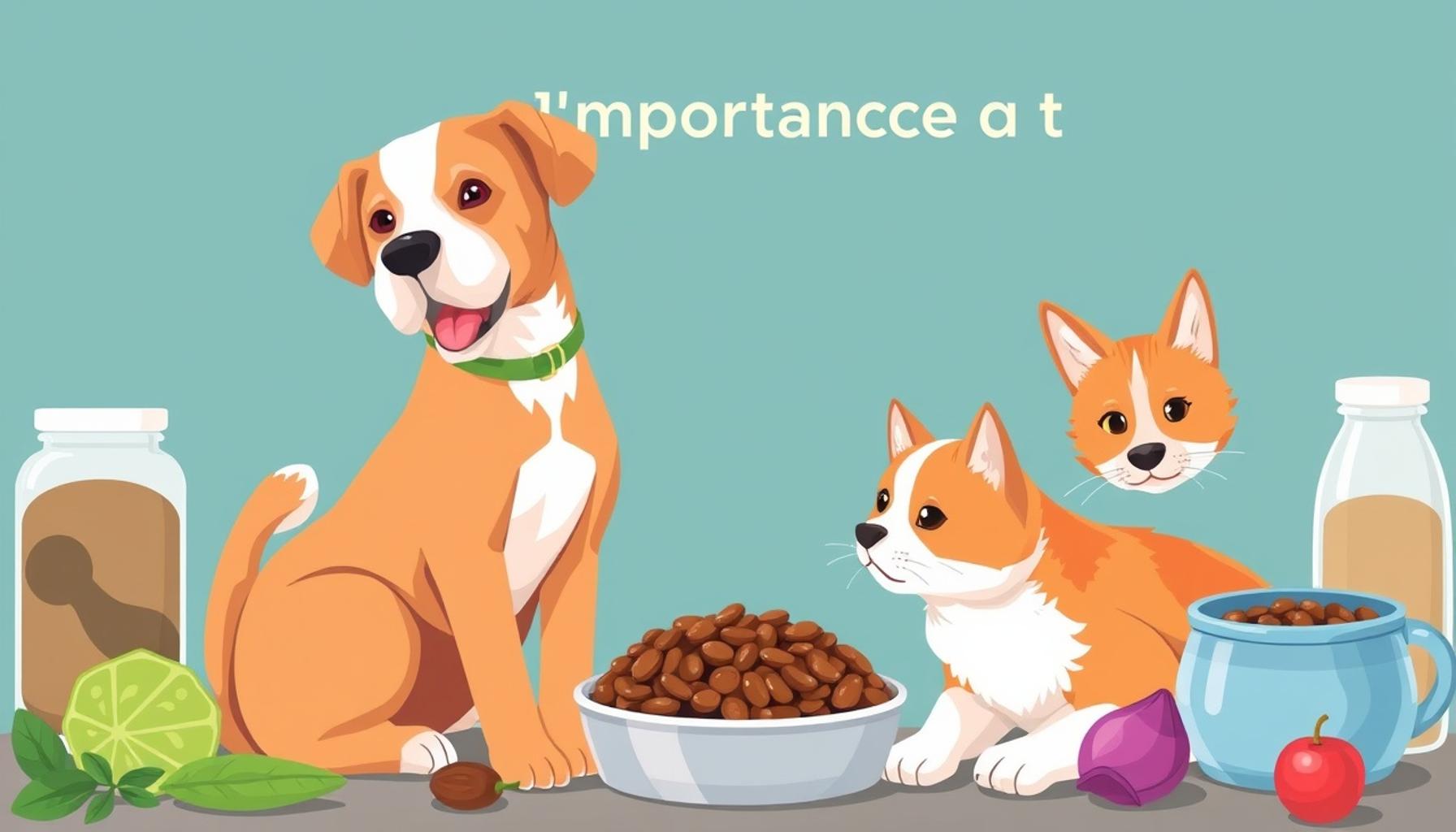
Natural Pet Food Choices: How to Enhance Your Pet’s Diet for Better Health

The Importance of Natural Nutrition for Pets
Your pet’s diet is a crucial factor in determining their overall health and longevity. In recent years, natural pet food choices have gained significant attention among pet owners seeking to improve their companions’ diets. But what does a natural pet diet truly entail, and how can you optimize it for your furry friend?
Research shows that providing pets with a diet comprising natural and wholesome ingredients can lead to numerous health benefits. For instance, improved digestion is often noted in pets fed natural foods, as they tend to be easier to break down compared to processed kibble. Many pet owners report healthier skin and coats, less shedding, and reduced allergies when transitioning to a natural diet. Additionally, a stronger immune system means your pets may be less susceptible to infections and diseases, therefore enhancing their quality of life.
Understanding Natural Pet Food
As pet owners become more conscious of what goes into their pets’ bowls, understanding the difference between ingredients is essential. Key aspects to consider when selecting natural pet foods include:
- Quality of ingredients: Look for products that list real meat as the first ingredient, rather than fillers like corn or soy. Ingredients such as chicken, beef, or fish provide the protein essential for your pet’s growth and overall health.
- Biologically appropriate diet: Consider your pet’s evolutionary background. For example, cats are obligate carnivores, meaning they require meat to thrive, while dogs are omnivores that can benefit from a mix of proteins, vegetables, and grains.
- Avoiding artificial additives: Steer clear of foods that contain preservatives, colors, and artificial flavors. Natural preservatives such as tocopherols (Vitamin E) are safer alternatives.
The Benefits of Natural Ingredients
Foods rich in natural proteins, healthy fats, and wholesome carbohydrates can significantly enhance your pet’s diet. For example, incorporating whole grains like brown rice and quinoa can offer essential fiber, while fruits and vegetables like blueberries and carrots provide antioxidants that help in fighting oxidative stress.
Furthermore, many commercial brands are now offering human-grade dog food or even raw food options that embrace a natural cooking process. These choices allow pets to enjoy high-quality ingredients that mirror what they would eat in the wild. Why settle for standard commercial kibble when you can provide a diet that genuinely nurtures their health?
Making the transition to a natural diet need not be daunting. Start by mixing a small quantity of natural food with your pet’s current kibble to allow their digestive system to adjust smoothly. Gradually increase the proportion of natural food while decreasing the kibble until you’ve fully transitioned. This process can minimize gastrointestinal discomfort and help your pet acclimate to their new dietary plan.
Conclusion
In this article, we will explore various natural pet food choices, how they can enhance your pet’s diet, and offer practical advice on making the transition toward a healthier lifestyle for your cherished companion. The journey to nourishing your pet in the most delightful and enriching way starts with understanding the benefits of natural nutrition. Embrace the opportunity to provide a diet that contributes to their health, happiness, and well-being for many years to come.
Exploring the Spectrum of Natural Pet Food Options
With a heightened awareness of nutrition, pet owners are increasingly turning to natural pet food choices to improve their pets’ diets. But what exactly constitutes a natural diet, and how can these options elevate your pet’s health? As the market for pet food continues to expand, it’s essential to decipher which options deliver on their promises and provide tangible health benefits.
Navigating the world of natural pet food can initially appear overwhelming. To make the best choices for your furry friend, it’s crucial to understand the different types of natural diets available today. These can generally be categorized into several distinct options:
- Whole Ingredient Diets: These foods prioritize whole, recognizable ingredients, often featuring real meat, fresh vegetables, and whole grains. They avoid fillers and by-products, allowing pet owners to feel more confident about what they are serving.
- Raw Food Diets: Adopting a raw food diet mimics how animals would eat in the wild. Composed of raw meat, bones, fruits, and vegetables, this diet aims to provide all-natural nutrients without the cooking process, which can destroy some vitamins and minerals. However, it’s important to ensure these diets are balanced and safe to prevent nutritional deficiencies.
- Homemade Pet Foods: For pet owners who want complete control over their pet’s diet, preparing homemade meals can be a rewarding option. With careful planning, homemade diets can incorporate high-quality ingredients tailored specifically to your pet’s needs and preferences. This approach allows for customization based on allergies or health issues.
- Organic Pet Foods: Certified organic pet food choices use ingredients that are grown without synthetic pesticides, chemicals, or GMOs. While these may be more expensive, many pet owners believe that the peace of mind provided by organic labeling is worth the investment.
Evaluating Pet Food Labels
Once you have a sense of the natural pet food landscape, the next step is to learn how to evaluate pet food labels effectively. Understanding the ingredients listed on a product can help you make informed decisions. Focus on the following factors when reading labels:
- Ingredient Order: Ingredients are listed in descending order by weight. The first few ingredients should be high-quality protein sources and whole foods.
- Life Stage Appropriateness: Make sure the food aligns with your pet’s life stage—puppy, adult, or senior—as nutritional needs vary significantly across their lifespan.
- Guaranteed Analysis: This section provides information about protein, fat, fiber, and moisture content. Comparing these values across different brands can help you gauge the nutritional integrity of the food.
In a culture increasingly driven by health consciousness, pet owners are becoming more discerning about what they feed their companions. The shift towards natural pet food choices is not merely a trend; it is a recognition of the undeniable link between diet and health. By understanding the types of natural foods available and becoming proficient in decoding pet food labels, you will be well-equipped to enhance your pet’s diet for improved well-being.
| Category | Benefits |
|---|---|
| Whole Foods | Improved Digestibility and nutrient absorption, which are vital for your pet’s health. |
| Probiotics | Supports gut health by promoting a healthy balance of gut bacteria, enhancing overall immunity. |
| Homemade Meals | Customization allows for tailored nutrients specific to your pet’s unique health needs. |
| Natural Supplements | Enhanced vitality and energy levels by providing essential vitamins and minerals. |
Transitioning to a diet that embraces natural pet food choices can significantly impact your furry friend’s health. Exploring options like whole foods not only ensures that your pet receives vital nutrients without fillers but also enhances their appetite and enjoyment of meals. Integrating probiotics into their diet is another excellent way to support digestion and bolster their immune system, leading to overall better health. Homemade meals offer a unique opportunity to cater to your pet’s individual dietary needs, while natural supplements can target specific health concerns like joint health or skin allergies. Each of these choices contributes to the broader goal of enhancing your pet’s diet, encouraging the exploration of new ingredients and health benefits. As you dive deeper into the world of natural pet food, you’ll discover how these elements can lead to a longer, happier life for your beloved companion.
Balancing Nutrition: Essential Considerations for Your Pet’s Diet
As you embark on the journey toward enhancing your pet’s health with natural pet food choices, it is important to focus on the concept of balance. A well-rounded diet plays a pivotal role in supporting your pet’s overall health and vitality. Learning how to create this equilibrium within their meals is essential for ensuring they receive the nutrition they require.
One key aspect in achieving a balanced diet is understanding the specific nutritional needs of your pet. Different species and breeds of pets may have varying dietary requirements. For instance, active breeds such as Border Collies may necessitate a higher protein intake to fuel their energy levels, while older pets may benefit from diets lower in calories and enriched with fiber to aid their digestion.
Macro and Micronutrients: The Foundation of Healthy Diets
Delving deeper into the components of your pet’s diet, both macronutrients and micronutrients play a vital role. Macronutrients—proteins, fats, and carbohydrates—are vital for providing energy and supporting bodily functions:
- Proteins: Essential for building and repairing tissues, proteins are particularly important for active and growing pets. Sources such as chicken, beef, fish, and eggs should be prioritized.
- Fats: Healthy fats, such as omega-3 and omega-6 fatty acids, support a shiny coat, skin health, and immune function. Ingredients like fish oil and flaxseed are great natural sources.
- Carbohydrates: While a contentious topic in pet nutrition, complex carbohydrates from whole grains, fruits, and vegetables provide necessary fiber and energy for your pet, aiding in optimal digestion.
In addition to macronutrients, micronutrients—including vitamins and minerals—are equally significant in your pet’s diet. These substances assist in various bodily functions, like maintaining healthy bones, supporting the immune system, and facilitating cellular processes. Ingredients like leafy greens, berries, and seeds can contribute valuable vitamins and minerals to your pet’s meal.
The Role of Supplements in Natural Pet Diets
Even with a well-curated natural diet, there are instances when your pet may benefit from supplements. Pet owners should be mindful that supplements should not replace a balanced diet but can complement it, especially if there are specific health concerns. Common supplements include probiotics for digestive health, glucosamine for joint support, and fish oil for a shiny coat.
Additionally, incorporating functional ingredients can further enhance your pet’s diet. For example, sweet potatoes are not only nutritious but also a great source of antioxidants. Blueberries can provide excellent support for cognitive health, particularly for older pets. These functional foods can add nutritional diversity and health benefits into your pet’s daily meals.
The Importance of Freshness and Variety
In the realm of natural pet food choices, freshness and variety are paramount. Rotating proteins and including seasonal fruits and vegetables can provide a comprehensive array of nutrients. Just like humans, pets can benefit from a diverse diet, which may help to prevent food sensitivities and keep mealtimes exciting.
Ultimately, enhancing your pet’s diet amounts to a mindful approach towards nutrition, understanding their unique needs, and being open to experimentation with various natural food options. By balancing macronutrients, considering supplements thoughtfully, and introducing variety, pet owners can significantly contribute to their pets’ health and happiness.
Conclusion: Embracing Natural Pet Food Choices for Optimal Health
In conclusion, the journey toward enhancing your pet’s diet through natural pet food choices is both rewarding and essential for their well-being. By focusing on nutritional balance, recognizing individual needs, and incorporating both macronutrients and micronutrients, you lay the groundwork for a healthier lifestyle for your furry companion. The significance of fresh ingredients, combined with the judicious use of supplements, cannot be overlooked as they help to fortify your pet’s diet and address specific health considerations.
Moreover, variety is key to keeping your pet engaged and preventing food sensitivities. Embracing a mixture of proteins, seasonal vegetables, and fruits not only enriches their diet but also introduces a wide spectrum of nutrients crucial for overall vitality. As pet owners, being open to experimentation with different natural foods and ongoing education about dietary needs will ultimately yield significant benefits in your pet’s health, happiness, and longevity.
As you continue to explore the world of natural pet food choices, keep in mind that your commitment to thoughtful nutrition can pave the way for a vibrant and fulfilling life for your pet. Ultimately, by making informed decisions and prioritizing the well-being of your animal companions, you’re not just nourishing their bodies, but also enhancing the bond you share. Dive deeper into the realm of holistic pet nutrition, and witness firsthand the transformative effects it can have on your treasured friends.