Pet Grooming Essentials: Tips for Maintaining Your Dog’s and Cat’s Hygiene
The Importance of Routine Grooming
Ensuring your pet is clean and well-groomed plays a pivotal role in their overall well-being. The act of grooming goes beyond superficial cleanliness; it contributes significantly to their physical health and emotional happiness. Whether you have a rambunctious Golden Retriever or a charming Siamese cat, understanding the pet grooming essentials can greatly enhance not just your pet’s hygiene but also improve your household environment.
In recent years, pet ownership in the United States has seen a boom, with more individuals recognizing the vital importance of routine grooming. Regular grooming appointments, whether at a professional salon or during at-home care, provide numerous benefits that include:
- Prevents matting: For long-haired breeds such as Shih Tzus and Maine Coons, brushing not only prevents tangles and unsightly mats but also encourages healthy fur growth. Regular sessions help spread natural oils throughout the coat, leading to a shinier appearance.
- Avoids skin issues: By bathing and examining your pet’s skin, you can spot irritations, fleas, or ticks early. For instance, many dog shampoos in the U.S. are formulated to be hypoallergenic, minimizing the risk of skin reactions that could lead to more serious conditions.
- Enhances bonding: Engaging in grooming activities such as brushing or bathing fosters a stronger emotional connection between you and your pet. This time together can be a calming experience for both parties, reinforcing trust and companionship.
Key Components of Effective Grooming
Understanding the core components of pet grooming is essential for keeping your furry friend in top shape. Here are some fundamental tools that every pet owner should consider:
- Brushes: The type of brush you choose significantly depends on your pet’s breed and coat. For example, slicker brushes are ideal for removing loose hair and debris from long-haired dogs, while rubber bristle brushes work wonders for short-haired breeds like Beagles or French Bulldogs.
- Shampoos: Opt for pet-friendly shampoos that cater to your pet’s specific skin type. You might consider oatmeal-based formulas for pets prone to allergies or sensitive skin. Always check the ingredients to avoid harsh chemicals that could irritate their skin.
- Nail clippers: Regular nail trimming is paramount for your pet’s comfort and health. Long nails can cause pain and lead to deformities in their paws over time. It is recommended to introduce nail clippers gradually to make the experience positive and stress-free.
By exploring these pet grooming tips, you can not only enhance your pet’s quality of life but also make significant strides in understanding their individual needs. Grooming is a holistic approach that combines hygiene with emotional health, ensuring your dogs and cats not only appear well-kept but also thrive in a clean and nurturing environment. Embark on this journey of grooming with enthusiasm, and enrich your time spent together with your beloved pets!
Understanding Your Pet’s Grooming Needs
Every pet is unique, and so are their grooming needs. It’s crucial to recognize that various breeds come with distinctive characteristics requiring tailored grooming approaches. For instance, breeds with double coats, such as the Alaskan Malamute or Golden Retriever, shed significantly more than breeds with single coats. This difference highlights the necessity for understanding your pet’s specific grooming routine, which goes beyond mere aesthetics; it impacts their overall health and comfort.
To get started, consider the following grooming essentials that can help you create a personalized grooming schedule for your dog or cat:
- Frequency of Brushing: Some breeds need daily brushing, while others only require weekly maintenance. Long-haired cats like Persians might necessitate daily attention to prevent mats, while short-haired breeds may be less demanding. Evaluate your pet’s fur length and density to determine the best brushing routine.
- Bathing Frequency: While bathing is vital, over-bathing can lead to dry skin. Dogs typically benefit from a bath every 4-6 weeks, while cats are generally good at self-grooming. If your cat enjoys water, you might need to intervene less, but dogs that play outdoors and get muddy will need more frequent baths. Look for indicators like odor or dirty fur to identify when it’s time for a clean.
- Ear Cleaning: Routine ear inspections should not be overlooked. Certain breeds—like Cocker Spaniels or Basset Hounds—with droopy ears are more prone to ear infections due to trapped moisture and debris. Use a vet-approved ear cleaner to remove wax and keep infections at bay!
Additionally, examining your pet for any signs of discomfort or health issues during grooming can be pivotal. Look out for unusual lumps, redness, or excessive scratching, as these may point to underlying health problems. Regular grooming allows you to spot these issues early, making it easier to consult a veterinarian if necessary.
Essential Tools for the Best Grooming Experience
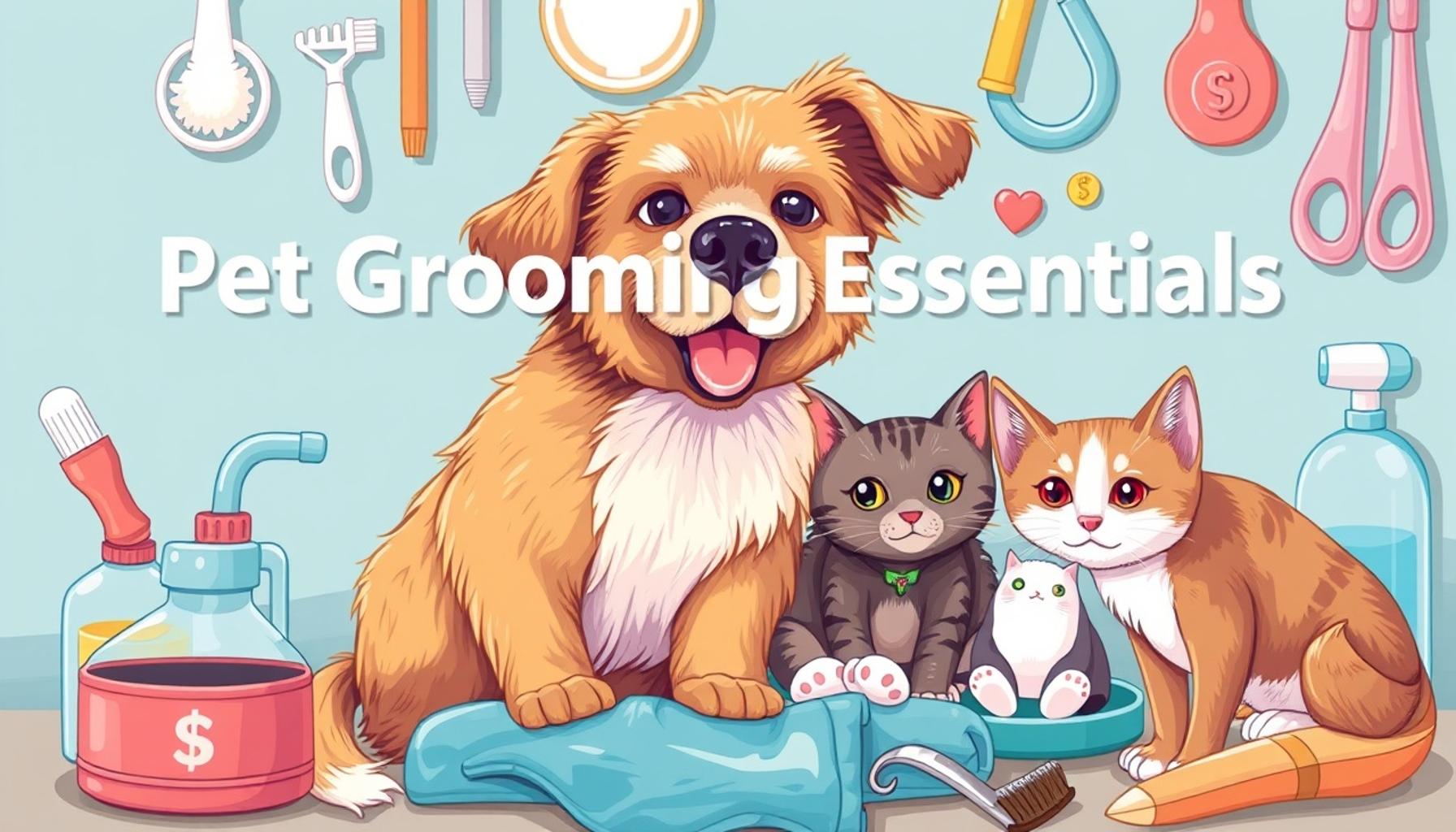
Having the right tools is half the battle when it comes to effective grooming. Here are some must-have items that pet owners should keep in their grooming arsenal:
- De-shedding tools: For breeds that shed heavily, consider investing in a de-shedding tool or a deshedding brush. These tools significantly reduce loose hair and prevent it from decorating your home.
- Grooming gloves: These gloves not only make brushing more comfortable but also allow you to bond with your pet during grooming sessions. They are beneficial for both dogs and cats, especially when dealing with short-haired varieties.
- Ear and eye wipes: Regular cleaning of your pet’s eyes and ears can prevent infections and discomfort. Specialized wipes designed for pets can help make this task easier.
By assembling the right tools and being aware of your pet’s individual grooming needs, you can develop a grooming routine that not only keeps your furry friend looking their best but also promotes optimal health and happiness. Remember, grooming is more than just a chore; it’s an opportunity to strengthen your bond with your pet, ensuring they feel loved and cared for throughout their grooming journey.
| Category | Benefits |
|---|---|
| Regular Brushing | Promotes healthy skin and reduces shedding. |
| Professional Grooming | Ensures optimal hygiene and can identify skin issues early. |
Maintaining your pet’s hygiene is not just about keeping them looking good; it’s crucial for their overall well-being. One essential grooming practice is regular brushing. This simple yet effective technique helps in removing dirt, debris, and loose fur, all of which contribute to a healthier coat. Moreover, it promotes blood circulation, leading to a shine that is undoubtedly impressive.Additionally, professional grooming sessions can play a pivotal role in your pet’s hygiene. Experienced groomers are skilled at spotting potential health issues that pet owners might overlook—skin irritations, unusual lumps, or parasites, for example. Regular grooming not only enhances your pet’s appearance but also strengthens the bond you share with them. By dedicating time to these practices, you’re investing in a happier, healthier life for your furry friends.
Advanced Grooming Techniques for Optimal Hygiene
While the basics of pet grooming are essential, enhancing your grooming routine with advanced techniques can significantly improve your pet’s hygiene and overall well-being. These methods often require a bit more time or skill but can yield remarkable results.
1. Professional Grooming Services: Engaging the services of a professional groomer can elevate your pet’s grooming experience. These experts have specialized training and access to high-quality products that can address specific grooming needs, such as dematting and specialized cuts. Additionally, they often check for skin issues, parasites, or any signs of health concerns that may go unnoticed. A grooming appointment every few months can complement your at-home grooming and keep your pet looking and feeling their best.
2. Nail Trimming: Regular nail trimming is vital for your pet’s hygiene and mobility. Overgrown nails can lead to painful splitting or breaking, impacting how your pet walks. Depending on your pet’s activity level and breed, trimming nails every 3-4 weeks is advisable. Invest in a quality set of nail clippers designed for pets, and familiarize yourself with the ‘quick,’ the pinkish area of the nail that contains blood vessels. Avoid cutting into the quick to prevent bleeding; if you’re unsure, consult your veterinarian for guidance.
3. Teeth Cleaning: Dental health is often overlooked in grooming routines. Just like humans, dogs and cats are prone to dental diseases, which can lead to serious health issues. Implementing a regular teeth cleaning routine can help prevent plaque and tartar buildup. Start by introducing dental chews or toys that promote dental hygiene, and gradually incorporate brushing their teeth using vet-approved toothpaste and a suitable toothbrush. Ideally, try to brush your pet’s teeth 2-3 times a week for optimal dental care.
4. Anal Gland Expression: Some pets, particularly dogs, may require anal gland expression to prevent discomfort or infections. While many pets can naturally express these glands, certain issues can prevent this from happening. If you notice your dog scooting or licking their rear end more than usual, it might be time to consult a vet for assistance. Learning how to express anal glands at home can be a useful skill, but caution is advised; improper technique can lead to injury or infection.
5. Seasonal Grooming Adjustments: Changes in the seasons can dictate adjustments to your grooming routine. Warmer months often require more frequent brushing to manage shedding, while the cold might call for a heavier coat to be maintained. Regularly reassess your pet’s grooming needs based on the weather, ensuring that they remain comfortable and healthy as temperatures fluctuate. Some breeds may even need special grooming products suited for seasonal changes—ask your groomer for recommendations!
Incorporating these advanced grooming techniques into your routine not only enhances your pet’s hygiene but also fosters a deeper bond between you and your furry friend. By making grooming a priority, you’re investing in their health, happiness, and overall quality of life.
Conclusion: Elevating Your Pet’s Hygiene Standards
In conclusion, maintaining your pet’s hygiene is not just a routine but a vital aspect of their overall health and happiness. By prioritizing the essentials of pet grooming, including regular brushing, bathing, and dental care, you create a solid foundation for your furry companion’s well-being. The importance of grooming transcends aesthetics; it plays a critical role in identifying potential health issues early, such as skin irritations, parasites, or dental diseases.
Furthermore, as we’ve explored, incorporating advanced grooming techniques can truly enhance your pet’s grooming experience. Don’t overlook the value of professional grooming services, and remember that seasonal adjustments are essential to accommodate the changing needs of your pets. From nail trimming to proper dental hygiene and even anal gland expression, these practices are integral to ensuring your dog or cat remains healthy and comfortable.
Investing time and resources into a comprehensive grooming routine not only nurtures your pet’s physical health but also strengthens the bond you share, creating moments of trust and affection. As you embark on this grooming journey, consider exploring new tools and techniques, staying informed about the best practices, and perhaps even seeking advice from reputable sources. Your commitment to maintaining your pet’s hygiene will yield a happy, healthy, and well-groomed companion, making every grooming session a rewarding experience for both of you.