How Musical Composition Can Be a Channel for Self-Expression

The Transformative Nature of Musical Composition
Music is a powerful medium that transcends language and culture. Through musical composition, individuals express emotions, experiences, and thoughts in a unique way. This article delves into how composing music can serve as a profound channel for self-expression.
For many, the act of creating music acts as a safe haven, a space where they can explore their innermost feelings without judgment. It provides an alternative mode of communication that often speaks louder than words. Here are a few reasons why musical composition is a significant outlet for self-expression:
- Emotional Release: Composers can channel their feelings—be it joy, sadness, or anger—into their work. For instance, Beethoven’s “Moonlight Sonata” epitomizes the depths of human emotion, often interpreted as a reflection of longing and melancholy. This ability to transform feelings into musical notes not only offers solace to the composer but also resonates deeply with listeners, creating an emotional connection that is universal.
- Personal Narrative: Music often tells a story or reflects personal experiences, allowing creators to share their journeys. Consider the works of Taylor Swift, whose songwriting often draws from her own life events. Each song serves as a chapter in her narrative, resonating with countless fans who find their own stories reflected in her lyrics. This concept emphasizes how individual experiences can be woven into a larger cultural tapestry through music.
- Cultural Expression: Through specific genres and styles, artists can connect with their roots and communities. The rich sounds of jazz, originating from African American communities in the United States, highlight cultural nuances and historical narratives. Composers like Louis Armstrong and Billie Holiday utilized jazz not only to entertain but also to highlight social issues of their time, thus becoming a voice for the voiceless.
Research shows that engaging in musical composition can enhance mental well-being. Studies indicate that individuals who participate in creative activities, including music composition, often experience reduced stress levels, improved mood, and enhanced emotional health. This reflects the broader significance of music in both personal development and social contexts. As individuals weave their stories into melodies, they forge connections with listeners, fostering empathy and understanding.
In today’s fast-paced world, the journey through musical composition can serve as a therapeutic practice. It invites creators to explore their innermost thoughts while resonating with others on a universal level. For instance, music therapy is increasingly recognized for its ability to support mental health, with many programs emerging across the country to help individuals cope with anxiety, depression, and trauma.
Now, we invite you to discover how embracing musical composition can unlock new dimensions of self-expression, offering not just a path for personal reflection but also a bridge to connect with the wider world.
Exploring the Emotional Depth of Music
Musical composition serves as an intimate dialogue between the composer and the audience, offering a glimpse into the emotional landscape of the creator. This channel for self-expression transforms abstract feelings into a tangible form, allowing artists to convey complex emotions that words often fail to articulate. By harnessing the power of melody, rhythm, and harmony, composers can create tracks that evoke a full spectrum of human experience.
The process of composing music encourages a deep level of introspection, where creativity intertwines with emotional understanding. Musicians often find that channeling their personal troubles or joyous moments through their art becomes cathartic. Consider the story of singer-songwriter Joni Mitchell, whose poignant lyrics often reflect her own trials and tribulations. Her song “Both Sides Now” is a quintessential example of how personal reflection can be elevated to universal themes of love, loss, and perception. Through her compositions, listeners are invited to delve into her world, sparking their own reflections in the process.
Connecting Emotion to Composition
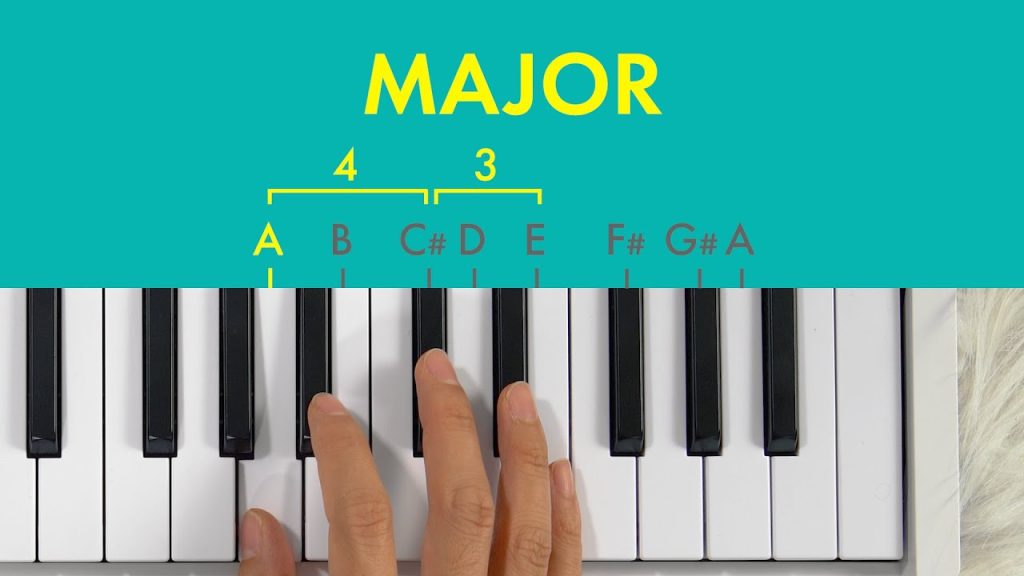
A compelling aspect of musical composition is the way it connects emotions with artistic choices. Composers can manipulate various elements of music—such as tempo, key signature, and dynamics—to evoke specific feelings. For instance:
- Minor Keys: Often used to express sadness or melancholy, as found in Adele’s powerful ballads.
- Syncopated Rhythms: These can create a sense of urgency or excitement, characteristic of many pop and jazz tunes.
- Soft Dynamics: Gentle swells of sound can convey vulnerability, exemplified in pieces by composers like Eric Whitacre.
This intentional use of musical complexities fosters a connection between the composer and their audience, rather than merely entertaining—they allow differences and similarities in experience to resonate. As composers translate their emotions through sound, audiences discover reflections of their own journeys. This connection is not only a personal outlet for creators but also a community experience for those who relate to the music, breaking down barriers of isolation.
Furthermore, the accessibility of music today—thanks to digital platforms—has made it easier for aspiring composers to share their voices. Music not only remains a powerful tool for self-expression but evolves continually, just as society does. Emerging genres and cross-cultural collaborations introduce fresh interpretations of emotional concepts, allowing for broader understanding across diverse audiences.
By recognizing how deeply intertwined musical composition is with emotional expression, both creators and listeners can appreciate the profound impact music holds. The melody that resonates today could serve as the soundtrack to personal healing, understanding, and connection, allowing the artists’ voices to echo far beyond their initial experiences.
Understanding the Therapeutic Benefits of Musical Composition
Musical composition serves not just as a creative outlet but also as a profound method of self-therapy. Individuals often find refuge in their music, channeling emotions that might otherwise remain trapped. This therapeutic aspect of composition allows people to confront sadness, joy, anger, and even confusion through melodies and harmonies. Engaging with music can lead to heightened emotional awareness, allowing composers to navigate complex feelings and experiences more effectively.
Building Personal Identity through Composition
When individuals create music, they often explore their unique perspectives and cultural backgrounds. This exploration fosters a sense of identity, making the act of composition more than just a hobby—it’s a journey of self-discovery. In this setting, composers can blend personal narratives with unique sounds and rhythms that reflect their authentic selves. Such an approach not only cultivates originality but also resonates with others who may share similar experiences and sentiments.
The Artistic Community and Emotional Connection
The act of sharing musical compositions can connect composers with a larger community. Whether through live performances, online platforms, or social media, musicians find a space where their expressions can reach others. This connection fosters understanding, empathy, and emotional support among listeners and creators alike. In fact, many musicians state that feedback from their audience can deepen their self-exploration, enabling them to refine their artistic voice and enhance their personal narratives through their work.
Embracing the Process of Composition
It’s essential to recognize that musical composition is a journey filled with exploration and experimentation. Instead of focusing solely on the end product, embracing the process can be liberating. This mindset encourages individuals to take risks, learn from failures, and celebrate small victories along the way. By doing so, they become more attuned to their emotions and ideas, making the act of creating music a rewarding experience.
| Category of Expression | Key Traits and Benefits |
|---|---|
| Emotional Release | Composition allows individuals to express feelings otherwise difficult to articulate. Music becomes a medium for understanding and processing emotions. |
| Identity Exploration | Creating music helps individuals discover and affirm their unique identity, shaping a personal narrative that resonates with audiences. |
Embracing Diversity Through Composition
In the vast world of musical composition, diversity acts as a powerful force for self-expression, celebrating a myriad of cultural influences and personal experiences. Musicians across the globe create sounds that bear the fingerprints of their unique backgrounds, enriching the musical landscape and allowing for different narratives to emerge. This intersectionality is particularly significant in a globalized society, where access to tools for creation is more democratized than ever.
Genres such as hip-hop have become a home for self-expression, particularly among marginalized communities. Artists like Kendrick Lamar and Lizzo use their music to address issues of race, identity, and self-empowerment, weaving personal stories into their work. For instance, Lamar’s “Alright” transcends his personal narrative, offering a collective anthem of hope and resilience during moments of social unrest. Tracks that echo the struggles and triumphs of cultural identity foster a sense of belonging, resonating deeply with listeners who share similar backgrounds or experiences.
Evolution of Self-Expression in Composition
The evolution of technology has likewise redefined how musical self-expression is pursued. Digital audio workstations, sampling technology, and online tutorials have opened the floodgates for aspiring musicians. This tech-infused landscape allows for unprecedented creativity, encouraging experimentation with various styles and genres. For example, the rise of bedroom pop has given artists like Clairo and Conan Gray the ability to craft intimate compositions recorded from the comfort of their homes. This level of accessibility has made it possible for individual narratives to flourish in unique and powerful ways.
- Sampling: The practice of incorporating existing pieces into new compositions allows artists to pay homage to their influences while simultaneously crafting original works that reflect their own identities.
- Collaborative Platforms: Websites like SoundCloud enable artists to create virtual communities where sharing music can lead to collaboration, expanding their artistic horizons and fostering new styles.
- Virtual Reality and AI: Experimentation with technologies such as VR and artificial intelligence is paving the way for entirely new forms of composition, pushing boundaries like never before.
The emotional resonance found in music is not solely reliant on individual experience; it stems from the collective human condition. As genres continue to blend and artists become more versatile, the resulting compositions often come together as an exploration of collective memories, cultural identities, and shared struggles. This fusion of perspectives enriches the art form, transforming it from the personal into something deeply communal.
Popular social media platforms with music focus, like TikTok, further illustrate the powerful role of music in self-expression. Trends emerge around popular songs, giving users a platform to showcase their creativity while interpreting and reinterpreting established works. Here, music becomes not just a passive listening experience but an active form of dialogue and collaboration. Additionally, the viral nature of these platforms can launch lesser-known artists into the spotlight, proving that raw, authentic self-expression resonates widely.
In a country as diverse as the United States, the stories told through musical composition provide insight into varying perspectives, showcasing the rich tapestry of experiences across different demographics. As musicians continue to explore and innovate, the narrative of self-expression in music remains vibrant and essential, inviting all to partake in the shared journey of understanding the human experience.
Conclusion
As we navigate the intricate landscape of musical composition, it becomes clear that it serves as a profound channel for self-expression. The ability of music to encapsulate the essence of personal and collective experiences enables artists to convey emotions, tell stories, and foster connections that transcend barriers. From hip-hop artists addressing social issues to bedroom pop musicians exploring their innermost feelings, the diversity of voices enriches our cultural tapestry.
The technological advancements of the 21st century further amplify this self-expressive potential. With accessible tools like digital audio workstations and collaborative platforms, musicians can experiment freely and share their narratives globally, creating a vibrant community where diverse expressions thrive. The rise of social media reflects how music is not only a solitary experience but a collaborative dialogue that fosters connection and understanding among listeners and creators alike.
Ultimately, the journey of musical composition transcends individual artistry; it acts as a community-building tool that showcases the richness of our shared human experience. As we delve deeper into this dynamic art form, we uncover layers of identity, emotion, and resilience that resonate with us all. By embracing the full spectrum of voices and stories, we contribute to a musical landscape that bravely reflects the complexities of who we are, inviting each of us to explore our authentic selves through the universal language of music.