Craft Techniques for Beginners: Building Your First Project

Discover the Joy of Crafting
Crafting is a fulfilling hobby that encourages creativity and self-expression. For those just starting out, diving into craft techniques can be both exciting and a little overwhelming. However, the right guidance can transform your initial apprehensions into inspired projects. With countless possibilities, crafting opens doors to express your individuality, enabling you to create unique pieces that reflect your personality and interests.
Why Crafting?
Engaging in crafting has numerous benefits, such as:
- Stress Relief: Crafting can be a therapeutic outlet that reduces anxiety. The repetitive motions involved in activities like knitting or the focused attention required in painting can act as mindfulness practices, helping to calm your mind and center your thoughts.
- Skill Development: Learning new techniques enhances your dexterity and problem-solving skills. Every project presents opportunities to improve hand-eye coordination, learn patience, and tackle challenges creatively, whether you’re stitching fabric or assembling materials.
- Sense of Achievement: Completing a project provides immense satisfaction and boosts self-confidence. There’s nothing quite like the moment you finish a handmade creation, knowing that your time and effort have culminated in something tangible and beautiful.
Getting Started
As you embark on your crafting journey, you’ll encounter various techniques and tools that cater to different interests and skill levels. Here are a few popular options that suit beginners:
- Knitting: This timeless craft allows you to create cozy scarves, hats, or even intricate sweaters. With just a pair of knitting needles and some yarn, you can start with simple stitches and gradually advance to more complex patterns.
- Painting: Whether you’re drawn to watercolor, acrylics, or oils, painting is an excellent way to explore your artistic side. You can begin with basic landscape scenes or abstract designs, using a canvas or even paper. Local art supply stores often offer beginner classes, making it easy to find support and guidance.
- Woodworking: For those interested in building, woodworking can be particularly rewarding. Start with simple projects like birdhouses or small furniture. Many community workshops provide tools and resources for novices, fostering a sense of community and collaboration.
Your first crafting project doesn’t need to be complicated. The key is to find something that inspires you and is achievable. Think about what excites you the most—be it the texture of fabric, the vibrancy of paint, or the sturdiness of wood. This will help guide your choices and keep you motivated.
In addition to choosing a project, it’s beneficial to seek out online resources, such as tutorials and forums, where you can connect with other crafters. Websites like Pinterest and YouTube are treasure troves of ideas and how-to guides that can help you refine your skills and expand your repertoire.
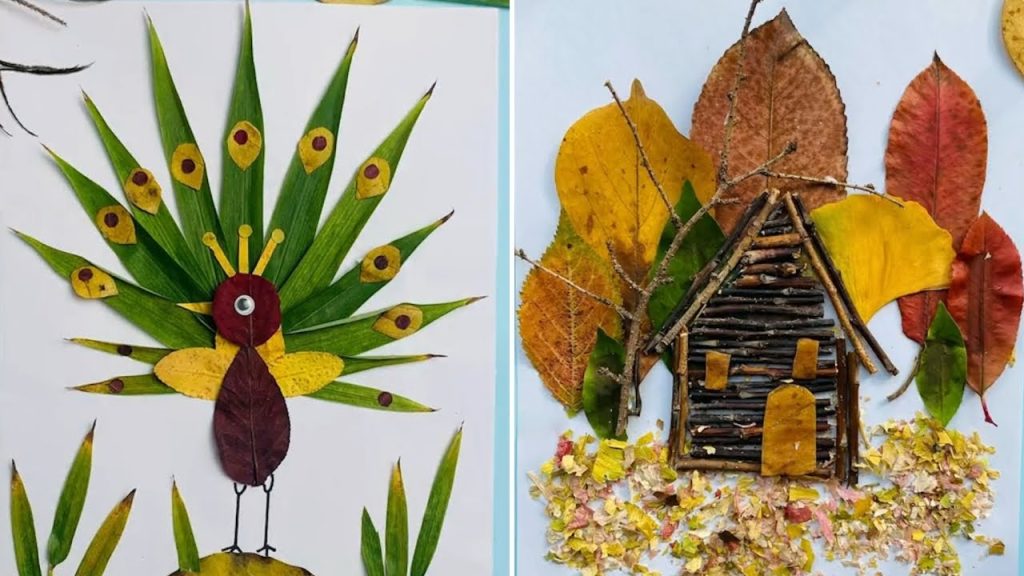
Embark on your crafting journey today and discover how fulfilling it can be to bring your imaginative ideas to life. From stress relief to skill development and personal achievement, crafting offers a pathway to nourishment for the soul and creativity.
Choosing Your First Craft Project
When you first step into the world of crafting, the multitude of options can feel overwhelming. However, selecting the right project is crucial to ensuring you remain excited and motivated. To ease the process, here are a few tips to help you choose your first craft project wisely:
- Align with Your Interests: Think about what kind of crafts spark your interest the most. Are you captivated by the art of sewing, the beauty of painting, or perhaps the conceptual nature of upcycling? Focusing on your personal passions will keep you engaged and eager to learn.
- Start Small: As a beginner, tackling a simple project can be highly rewarding. Consider starting with quick and easy projects such as homemade greeting cards or simple fabric coasters. These smaller tasks can boost your confidence and allow you to complete them in a relatively short period.
- Seek Guidance: Utilize resources available to you, including workshops at local craft stores, online videos, or crafting blogs. Learning directly from experienced crafters can provide valuable insights into techniques that will aid your progress.
Once you’ve decided on a project, it’s essential to gather the necessary materials. Each craft technique has its own set of supplies that you’ll need to acquire, and understanding what’s required ahead of time is key to a smooth crafting experience. Here’s a brief guide on common items you may need for some beginner craft techniques:
- For Knitting: Basic knitting needles (either straight or circular) and a skein of yarn in your choice of color will get you started.
- For Painting: Purchase a set of paints (watercolors or acrylics), a few essential brushes, and a canvas to bring your visions to life.
- For Woodworking: Basic tools such as a saw, hammer, and sandpaper will be necessary to start crafting your piece.
After collecting your materials, it’s time to set up your workspace. A clean, quiet area with good lighting can significantly enhance your crafting experience. Keeping your tools organized and within reach will allow you to concentrate on the creative aspects of your project without unnecessary distractions.
Building your first project isn’t merely about the end result; it’s also about enjoying the process. As you immerse yourself in crafting, remember to be patient with yourself. Every expert was once a beginner, and with practice, you’ll find your skills improving and your confidence growing. Take your time, experiment, and most importantly, have fun as you build your very first project.
| Advantage | Benefit |
|---|---|
| Hands-on Learning | Engaging with craft techniques provides practical experience, which is essential for retaining new information. |
| Creativity Boost | Working on a first project unleashes creativity, helping individuals discover their unique style and preferences. |
| Community Support | Enrolling in beginner classes creates opportunities for bonding with fellow crafters, enhancing motivation and inspiration. |
| Skill Development | Executing various projects cultivates a range of craft skills that can be applied to future works, promoting lifelong learning. |
Exploring craft techniques can lead to remarkable transformation and growth for beginners embarking on their first project. Whether you aspire to work with wood, fabric, or mixed media, the journey is filled with learning opportunities that extend beyond mere creation. Each handcrafted piece embodies not only your effort but also your evolving skill set and passion. Discover new techniques, tools, and materials as you dive into this gratifying experience, while connecting with a community of like-minded individuals. The knowledge gained while embracing various craft techniques will undoubtedly serve as a stepping stone for any future projects you undertake.
Basic Craft Techniques to Get Started
As you embark on your crafting journey, it’s essential to understand not only the materials you’ll need but also some fundamental techniques associated with various crafts. Each craft has its own sets of skills that can be learned through practice. Here are a few beginner-friendly techniques across different craft categories.
1. Knitting Techniques
Knitting is a popular choice for beginners, known for its soothing rhythm and creative potential. A few essential techniques to get you started include:
- Cast On: This technique is how you initiate your knitting project by creating the first row of stitches on your needles. There are several methods, including the long tail cast on and the knitted cast on, which you can find detailed tutorials on.
- Knits and Purls: The two fundamental stitches in knitting, knits create a “V” shaped stitch, while purls form a bumpy texture. Combining these techniques can lead to various patterns.
- Binding Off: Once your project is complete, you need to bind off your stitches to secure them. This simple technique prevents your work from unraveling.
2. Painting Techniques
For those inclined toward painting, mastering a few basic techniques can elevate your artwork. Here are some key methods:
- Wet-on-Wet: This technique involves applying wet paint onto a wet surface, resulting in soft, blended colors. It’s perfect for creating dreamy landscapes.
- Dry Brush: Using a dry brush with minimal paint can produce textured and sharp lines, perfect for adding details or highlights.
- Layering: Building your artwork in layers allows you to create depth and complexity. Start with a base layer and gradually add more details as needed.
3. Woodworking Basics
Woodworking may seem daunting, but beginners can start with simple projects. Here are techniques to help you hone your skills:
- Measuring and Marking: Accuracy is key in woodworking. Invest in a reliable measuring tape and a square for marking your cuts. These steps are vital in ensuring your project fits together correctly.
- Cutting Techniques: Familiarizing yourself with different saws—such as a circular saw for straight cuts or a jigsaw for curves—can help you achieve the desired shapes in your wood.
- Sanding: This essential step smooths out the surface of your wooden project, removing sharp edges and preparing the wood for finishing. Different grits of sandpaper can achieve varying levels of smoothness.
Culinary Crafts
If you’re interested in culinary crafts, there are plenty of delicious projects to consider. Basic techniques include:
- Knife Skills: Developing proficient cutting techniques can enhance your cooking. Learning how to chop, dice, and julienne will make your culinary projects more enjoyable.
- Baking Basics: Familiarize yourself with key baking techniques such as creaming butter and sugar, folding, and whisking to ensure delightful results in your baked goods.
- Food Presentation: Crafting isn’t just about what you make, but how you present it. Enhance your dishes with garnishing techniques, using herbs or edible flowers for a beautiful touch.
Mastering these basic techniques is crucial as you navigate the crafting landscape. Each technique acts as a building block for your creativity, allowing you to explore more intricate projects down the line. Remember, practice makes perfect, and the more you craft, the more you’ll find your unique style emerging.
Conclusion: Embrace Your Crafting Journey
In conclusion, diving into the world of crafts can be an incredibly rewarding experience filled with opportunities for self-expression and skill development. As we explored various craft techniques for beginners, from the rhythmic art of knitting to the intricate layers of painting and the satisfying whittle of woodworking, it’s clear that each discipline offers unique joys and challenges.
Equipped with the basic techniques outlined above, beginner crafters should feel empowered to start building their first projects with confidence. Whether you’re creating a cozy knitted scarf, a stunning watercolor piece, a handcrafted shelf, or a delectable culinary masterpiece, remember that the journey is just as important as the destination. As you engage with these techniques, allow yourself the freedom to experiment and develop your personal style.
Moreover, consider joining local crafting groups or online communities where you can share your creations and learn from others. The vibrant crafting community can provide support, inspiration, and even new ideas for projects as you continue to refine your skills. Don’t hesitate to explore tutorials, workshops, and resources that will help you expand your crafting repertoire.
So, gather your supplies, tap into your creativity, and take that first step. With patience, practice, and passion, you’ll not only build your projects but also cultivate lasting joy in the art of crafting.