Transforming Recycled Materials into Creative Craft Projects
Unlocking Creativity with Recycled Materials
In an age where sustainability has become essential, transforming recycled materials into creative craft projects offers a unique way to express art while promoting environmental responsibility. This innovative approach not only reduces waste but also encourages us to see potential in what we often consider trash. By repurposing items that would typically end up in landfills, we contribute to a more sustainable future while engaging our creative instincts.
Crafting with recycled materials can include a variety of items, each with its unique potential. For instance:
- Plastic Bottles: Ideal for planters or whimsical sculptures. They can be cut and painted to create beautiful flower pots or even fun garden decorations. A simple project could include turning a two-liter bottle into a bird feeder, encouraging local wildlife while reusing materials.
- Old Newspapers: Perfect for creating intricate paper mâché art. This method not only allows you to make art pieces like bowls or sculptures but also teaches the art of layering and texture. Consider using papier mâché to create themed holiday decorations or personalized gift items that carry a story behind them.
- Cardboard Boxes: Great for making organizers or imaginative play props. Cardboard can be easily shaped and painted to construct everything from storage shelves to models of famous buildings for kids. This not only promotes artistic skills but also organizational skills in the process.
- Glass Jars: Excellent for storage solutions or decorative lighting. Empty jars can be transformed into candle holders, herb planters, or unique wall sconces, adding charm and character to any space while showcasing your flair for design.
Engaging in these projects not only enhances creativity but also stimulates awareness about waste and recycling practices. As you delve into the world of crafting, you’ll discover the versatility of recycled materials that can inspire unique pieces for your home or gifts for friends. Furthermore, each project can jumpstart discussions about sustainability and the importance of recycling.
This article will guide you through innovative methods and projects, highlighting essential tips and steps to turn everyday recyclables into stunning décor. Whether you’re crafting solo or looking for a fun family activity, there are countless opportunities to explore your creativity. Get ready to unleash your imagination and transform waste into art!
In addition to personal creativity, community engagement can result from these projects. Hosting workshops or DIY sessions at local community centers can create a shared sense of purpose and inspire others to adopt sustainable practices. By promoting crafting with recycled materials, we foster a culture of innovation and awareness, turning our communities into greener places.
So the next time you reach for the trash can, pause for a moment. Consider how you might turn that seemingly useless item into a fruitful expression of creativity and sustainability. The journey from waste to artistry starts with a single idea, and your imagination is the limit.
Unleashing Potential: Crafting with Everyday Recyclables
Recycled materials provide a treasure trove of opportunities for creative expression. By viewing items such as plastic bottles, old newspapers, and cardboard through an artistic lens, we can breathe new life into materials that might otherwise languish in landfills. The process of transforming recycled materials into creative craft projects not only inspires innovation but also teaches valuable lessons about sustainability and resourcefulness.
Let’s delve deeper into the versatility of several common materials and explore how they can be converted into functional and artistic creations:
- Plastic Bags: Often overlooked, plastic bags can be woven or braided into durable items like market totes or decorative rugs. This method not only repurposes an item commonly found polluting our environment but also showcases a unique crafting technique that can be shared with others.
- Egg Cartons: These humble containers can transform into charming flower shapes or even miniature animals. With a bit of paint and creativity, they can become beautiful additions to any room, serving as a reminder of the art of recycling while sparking imaginative play for children.
- Old T-Shirts: Instead of discarding worn-out clothing, consider transforming them into quilts, reusable shopping bags, or even home décor items like throw pillows. This not only reduces waste but offers an opportunity to preserve sentimental fabric in a new form.
- Glass Bottles: These can be converted into stunning vases or chandeliers with a dash of creativity. Painted, etched, or left clear, glass bottles add an elegant touch to home decorations while encouraging a sustainable lifestyle.
These engaging projects highlight the numerous ways we can embrace creativity while being environmentally conscious. Each recycled item offers a blank canvas waiting for reinvention, inviting crafters to experiment and push their creative boundaries. In addition to enhancing individual artistry, the act of crafting can foster community engagement and collective responsibility towards sustainability.
Crafting with recycled materials also has the power to amaze and inspire those around us. Consider organizing events where people can come together to share their projects, exchange ideas, and learn about new crafting techniques. Workshops focused on transforming recycled materials into creative craft projects can help spread awareness about the importance of recycling and the beauty of creating art from what we usually discard. Imagine the impact of a local community coming together to craft and learn with a shared goal of sustainability.
As we uncover the artistic potential of recyclables, it’s essential to educate ourselves and others on the broader implications of our crafting endeavors. The simple act of choosing to repurpose materials can ignite deeper conversations about waste, consumption, and environmental stewardship. Dive into your recycle bin and start viewing every item not as waste, but as a future masterpiece. The journey of creativity awaits!
| Advantages | Description |
|---|---|
| Environmental Impact | Transforming waste into art minimizes landfill waste, promoting sustainability. |
| Cost-Effective Creations | Using recycled materials significantly reduces crafting expenses, making art accessible to all. |
| Personalization | Encourages originality as creators can design unique projects using available materials. |
| Community Engagement | Craft projects can foster collaboration by engaging local communities in workshops. |
The journey of transforming recycled materials into innovative craft projects is packed with unique opportunities that not only encourage creativity but also provide substantial benefits for both the individual and the environment. Engaging in such creative processes not only enhances one’s artistic abilities but also actively contributes to sustainable practices. The act of upcycling materials, such as old clothes, glass jars, or cardboard, fosters a more sustainable lifestyle, acting as both a personal hobby and a collective effort toward reducing environmental footprints. Moreover, by focusing on affordability through the use of repurposed items, artists can explore various craft avenues without financial strain, further inviting a broader audience into the world of creativity. As communities come together to partake in these projects, new bonds are formed, leading to enrichment through shared knowledge and skills. The passion for crafting with recycled materials not only cultivates individual artistry but also ignites a powerful movement towards sustainability and consciousness.
Innovative Approaches: From Trash to Treasure
The realm of transforming recycled materials into creative craft projects is limited only by our imagination. As we uncover more unconventional materials, we can expand our crafting horizons, unlocking new possibilities for sustainable creation. Here, we explore additional recyclables that can spark innovation and enhance creative endeavors:
- Cardboard Boxes: Often dismissed as mere packaging, cardboard boxes can be repurposed into a multitude of projects. From eye-catching sculptures to functional items like storage bins and organizers, cardboard can be cut, folded, and painted to suit various aesthetic preferences. This versatile material invites crafters to not only create art but also design practical solutions for clutter and organization in their homes.
- Wine Corks: These charming little stoppers can be saved from the recycling bin and transformed into various crafts, including bulletin boards, coasters, and even functional keychains. Cork is not only biodegradable but also a fantastic medium for those looking to incorporate natural materials into their projects, adding an eco-friendly touch that resonates with environmentally-conscious consumers.
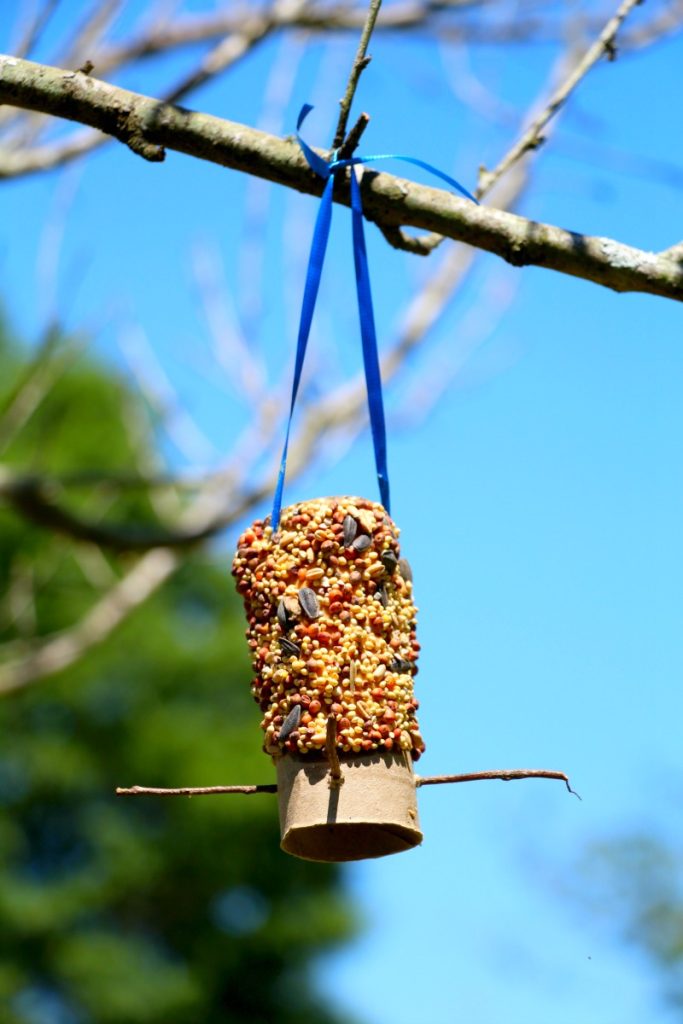
- Toilet Paper Rolls: Another underestimated recyclables, toilet paper rolls can easily be converted into artistic creations such as binoculars for kids, festive decorations, or even intricate wall art. By encouraging upcycling with these common household items, we can captivate young crafters and instill a sense of environmental responsibility in future generations.
- Plastic Containers: Food containers—from yogurt cups to takeout boxes—can find new life as seed starters for gardening enthusiasts or as decorative planters. Their unique shapes can inspire creative designs like fairy gardens or themed displays, merging functionality with aesthetic appeal.
These alternative materials not only advance the artistic experience, but they also present an opportunity for education and awareness surrounding recycling practices. Creating with these items can encourage discussions about their life cycle, showing that waste can serve a greater purpose beyond its initial use.
In an age where consumer waste continues to rise, crafting with recycled materials provides an engaging way to combat this issue. Numerous organizations and online platforms, such as Pinterest and Instagram, are dedicated to showcasing innovative projects that feature recyclables. Participation in these creative communities allows individuals to both share their work and gain inspiration from others, creating a dynamic exchange of ideas focused on sustainability.
Moreover, collaboration with schools and community centers can enhance the impact of crafting with recyclables. Implementing workshops or school programs centered around transforming recycled materials into creative craft projects can not only equip participants with new skills but also cultivate leaders in environmental stewardship. These initiatives can foster the notion that crafting is not merely a hobby, but a pathway to proactive citizenship.
Embracing Minimalism and Resourcefulness
As we embark on our crafting journeys, the philosophy of minimalism becomes increasingly relevant. The movement promotes the idea that less is more, encouraging crafters to make the most out of available resources. By creatively reimagining what we often consider waste, we draw attention to the beauty and potential hidden within everyday objects.
Incorporating repurposed materials into our crafts leads to unique results; items can gain personal significance, nostalgia, and even tell a story. Furthermore, the resourcefulness developed through engaging with recycled materials fosters problem-solving skills, as crafters must think outside the box to bring their visions to life.
In summary, the variety of materials available for crafting from recyclables is vast and inclusive. Each recycled item serves not only as a canvas for creativity but also as a conversation starter about sustainability, encouraging a shift in the way we view waste. Engaging with these materials allows us to reflect on their journey, extending their lifespan through art and functional creations. As we embrace this approach, we will undoubtedly carve a wiser path toward a more sustainable future.
Looking Ahead: A Sustainable Crafting Future
In conclusion, the art of transforming recycled materials into creative craft projects not only champions sustainability but also enhances our capacity for innovation. By embracing commonly discarded items—like cardboard, corks, toilet paper rolls, and plastic containers—we liberate our creativity while addressing pressing environmental concerns. Each recycled material tells a unique story, offering a canvas that celebrates resourcefulness and imagination.
As we continue to navigate the challenges of a world burdened by waste, the importance of fostering an upcycling culture cannot be overstated. Crafting with recycled materials provides an engaging and interactive way to educate individuals—especially children—on the value of sustainability. In this digital age, resources abound, with platforms like Pinterest and Instagram serving as invaluable sources of inspiration for budding crafters seeking to make a positive impact.
Furthermore, initiatives to integrate sustainable crafting into educational programs will not only nurture creative skills but also instill a sense of responsibility toward our planet. Such efforts emphasize that every creative endeavor can contribute to a bigger narrative of environmental stewardship and recycling awareness.
As we look toward a future where the philosophy of minimalism gains traction, it is vital to recognize the potential in everyday materials. Crafting with recyclables invites us all to reflect on our consumption habits while igniting our creativity. Let us embrace this empowering trend, fostering a community spirit where art and sustainability harmoniously coexist. Together, we can transform waste into treasure, creating a brighter, greener tomorrow.