The Importance of Handicrafts in Mental Health and Well-Being
The Benefits of Engaging in Handicrafts
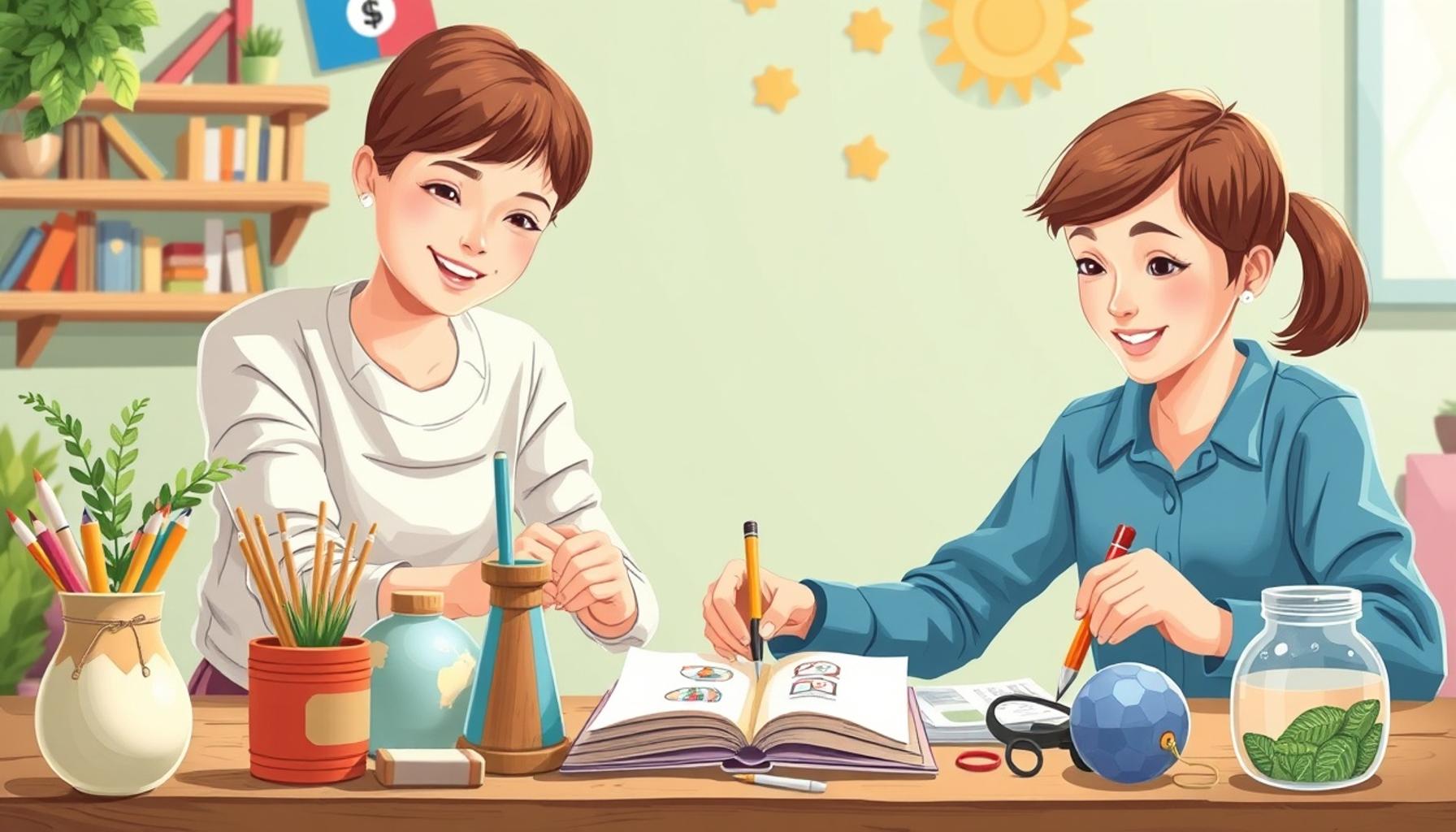
Engaging in handicrafts is more than just a creative outlet; it serves as a powerful tool for mental health and well-being. Numerous studies have shown that activities such as knitting, pottery, and woodworking can have profound effects on our mental states. Here’s why getting hands-on might be the therapeutic solution you’ve been seeking:
- Stress Relief: The repetitive motions involved in crafting can induce a state of mindfulness, reducing anxiety and stress levels. For instance, the rhythmic act of knitting has been compared to meditation, promoting relaxation. Many crafters report that focusing intensely on the task at hand allows them to forget their worries temporarily, providing mental clarity.
- Boosting Mood: Completing a project can lead to a sense of accomplishment, triggering the release of dopamine—our brain’s natural ‘feel-good’ chemical. This positive reinforcement can create a cycle of motivation, encouraging individuals to take on new challenges. For example, the satisfaction derived from finishing a handmade scarf or painting can uplift spirits and enhance overall mood.
- Social Connection: Handicrafts often foster community, bringing people together in classes or groups, combating loneliness and isolation. Crafting clubs and workshops have gained popularity in the United States, offering opportunities to forge friendships and build meaningful connections. Meetups not only provide instruction on techniques but also create spaces where participants can share stories and laughter, further enriching the crafting experience.
In the United States, handicraft trends have surged, with millions turning to these hobbies as mental wellness practices. The rise of social media platforms such as Pinterest and Instagram have fueled interest in DIY projects, showcasing a diverse range of crafts from home decor to personal accessories. People are adapting these projects to express their unique personalities and improve their emotional conditions through creativity.
As we delve deeper into this topic, we’ll uncover the various benefits of handicrafts and explore different forms that can cater to individual preferences. Whether you’re an experienced artist working on intricate pottery or a curious beginner trying your hand at scrapbooking, creating something with your hands can be a transformative experience. Your hands could hold the key to a happier, healthier life.
Overall, the therapeutic power of handicrafts makes them an appealing choice for anyone looking to enrich their mental well-being. As more people discover this connection, the positive impact of crafting may truly extend far beyond the individual, fostering a culture of creativity, resilience, and community across the nation.
Handicrafts as a Pathway to Emotional Healing
The act of creating with one’s hands has been a fundamental aspect of human culture for centuries. Handicrafts serve not just as an artistic endeavor but as a profound means of fostering emotional healing and psychological resilience. Studies conducted by institutions such as the American Journal of Public Health have revealed that engaging in creative activities can significantly lower levels of depression and anxiety. The repetitive nature of certain crafts, such as crocheting or painting, can evoke a ‘flow state,’ allowing participants to immerse themselves completely in the moment—effectively sidelining negative thoughts and emotional turmoil.

Research has shown that the physical act of crafting can lead to measurable improvements in mental health. Here are a few key aspects through which handicrafts help enhance mental well-being:
- Enhanced Focus: Focusing on crafting provides a distraction from daily stressors. This concentrated engagement can train our minds to hone attention, improving overall cognitive function. Whether assembling a model airplane or creating intricate beadwork, the act diverts attention away from anxiety-inducing thoughts.
- Self-Expression: Handicrafts offer a unique platform for self-expression. Individuals can convey feelings and ideas visually and tangibly, often bypassing the need for verbal communication. For those who find articulating their emotions challenging, projects like collage making or pottery can serve as emotional outlets that build confidence and self-awareness.
- Mindfulness and Meditation: Much like traditional mindfulness practices, crafting requires focus and presence, which can lower blood pressure and promote a sense of calm. Activities like weaving or wood carving can create a meditative state, allowing individuals to reconnect with their bodies and thoughts in a non-pressured environment.
In addition, the therapeutic effects of crafting extend to various age groups. Programs centered around arts and crafts have been implemented in hospitals and therapy centers across the United States, acknowledging the profound effects that these creative exercises can have on recovery and rehabilitation. For example, senior community centers often host knitting circles or painting classes, providing opportunities that not only boost mental health but also combat social isolation among older adults.
Furthermore, the COVID-19 pandemic brought about a resurgence of interest in handicrafts, as more individuals sought ways to cope with the lockdowns and social distancing measures. Platforms like Pinterest saw a dramatic rise in crafting interest, with users sharing their DIY experiences and creating networks of support. This shift signifies a recognition of the importance of creativity in maintaining mental health, as seen in the surge of online crafting groups tailored to various interests, from embroidery to home decor.
As we explore further into the nuances of handicrafts, we will uncover how different forms of creative expression can be tailored to individual needs, skills, and preferences. The journey of exploring handicrafts not only benefits the individual but also contributes to a larger community that values creativity, connection, and emotional wellness.
| Category | Details |
|---|---|
| Creativity Enhancement | Handicrafts stimulate creative thinking by allowing individuals to express themselves freely. |
| Mindfulness and Focus | Engaging in handicrafts promotes mindfulness, drawing attention away from stressors and enhancing concentration. |
| Community Connection | Participating in craft groups fosters social connections, reducing feelings of isolation. |
| Emotional Regulation | Creating with hands helps individuals process emotions and alleviate anxiety. |
Handicrafts</ have long been recognized for their therapeutic value, providing manifold benefits that enhance mental health and well-being. The act of crafting not only offers a creative outlet but also serves as a grounding practice that can help alleviate symptoms of stress and anxiety. Engaging in such activities can lead to improved mood, increased self-esteem, and a stronger sense of purpose.Additionally, community engagement through workshops and shared crafting experiences can combat feelings of loneliness. This social aspect of crafting not only reinforces emotional support but also strengthens interpersonal relationships. These connections can play a crucial role in providing mental wellness.Moreover, the tactile nature of handicrafts has been shown to stimulate different cognitive processes, enhancing mental acuity and problem-solving skills. By incorporating these practices into daily routines, individuals may find a unique form of therapy that enhances both their creativity and mental health. Such insights into the role of handicrafts in overall well-being are crucial for fostering a healthier, more connected society.
The Social Dimensions of Crafting
Beyond individual benefits, handicrafts forge vital social connections, enhancing collective mental well-being. Engaging in crafting activities often brings together communities, fostering friendships and support networks that can be pivotal for emotional stability. Group crafting sessions, such as community art projects or intergenerational crafting events, create environments where people can learn from one another, share stories, and celebrate diverse perspectives.
Studies have shown that social interaction plays a significant role in mental health improvement. A 2015 study published in the Journal of Community Psychology found that participating in collective creative endeavors helped to reduce feelings of loneliness and isolation, particularly among marginalized groups. Crafting in a group setting allows individuals to build trust and camaraderie while sharing their crafting journeys. Activities like quilting bees or ceramics workshops not only nurture relationships but also create a sense of belonging, which is crucial for mental wellness.
Furthermore, the rise of platforms such as Instagram and Facebook has transformed the way crafters connect. These social media outlets serve as virtual galleries where artisans can showcase their creations, seek feedback, and engage with a global audience. Hashtags like #crafttherapy and #handmadecommunity have become rallying points, encouraging users to share their stories of how crafts have positively impacted their lives. The affirmation and appreciation received from peers can significantly bolster self-esteem and promote a sense of achievement, particularly for those who may feel undervalued in other areas of life.
Educational Benefits of Crafting
Another compelling aspect of handicrafts relates to cognitive development, particularly in children and adolescents. Engaging in handicraft projects helps develop fine motor skills, enhances problem-solving abilities, and encourages creativity. Educational initiatives in schools have begun to integrate arts and crafts into their curricula, emphasizing the importance of creativity in shaping well-rounded individuals. According to research by the National Endowment for the Arts, students involved in arts education show higher academic performance and improved classroom behavior, as well as increased self-motivation and self-discipline.
Moreover, crafting offers a therapeutic outlet for individuals dealing with trauma or mental health issues. Art therapy, for instance, is widely recognized for its efficacy in treating conditions like PTSD and depression. Therapists employ methodologies that incorporate crafts, enabling clients to express complex emotions through non-verbal channels. Programs in therapeutic settings use activities like clay modeling or doodling to facilitate emotional exploration and healing, underscoring the potential of handicrafts as a tool for recovery.
Lastly, the trend of sustainability within handicrafts aligns with holistic well-being principles. Many individuals are increasingly drawn to upcycling, using discarded materials to create new art forms. This eco-conscious approach not only benefits the planet but also provides a sense of purpose and accomplishment, knowing one is contributing positively to global challenges. The act of transforming waste into beautiful crafts serves dual purposes: fostering creativity while enhancing mental health through a sense of agency and environmental stewardship.
In summary, the multifaceted benefits of handicrafts extend far beyond mere artistic expression. As we delve deeper into the transformative power of crafting, we unveil its role in nurturing not just individual wellness but also community solidarity and environmental responsibility.
Conclusion: Embracing the Healing Power of Handicrafts
In an ever-evolving world where mental health and well-being are increasingly gaining importance, handicrafts emerge as a powerful antidote to stress, isolation, and emotional turmoil. The multifaceted benefits of engaging in crafts extend beyond mere leisure activities; they provide critical outlets for creativity, connection, and personal growth. By fostering a sense of accomplishment and enhancing fine motor skills, crafting serves as a therapeutic avenue for people of all ages, offering respite from the chaos of daily life.
Moreover, the social dimensions of crafting cannot be overlooked. As communities gather for group crafting sessions, they cultivate friendships and support networks crucial for emotional stability. This connection is particularly significant in our digital age, where social media has transformed crafting into both a personal and communal experience. The rise of hashtags like #crafttherapy has forged global networks that empower individuals to celebrate their creations and share their crafting journeys, leading to enhanced self-esteem and resilience.
Additionally, the integration of handicrafts into educational frameworks underscores their cognitive benefits, particularly for young minds. As schools recognize the importance of arts education, they provide students with the tools to express their creativity and develop problem-solving skills crucial for their futures. This educational focus, combined with the growing trend of sustainable crafting practices, showcases the holistic approach to creating art that nurtures both mental health and environmental stewardship.
Ultimately, by embracing handicrafts as a pivotal component of mental well-being, we can foster not only our individual health but also contribute positively to our communities and our planet. As we continue to explore and celebrate the transformative power of crafting, we must acknowledge its profound role in shaping happier, healthier lives for all.