Seasonal Cuisine: Creating Seasonal Dishes with Fresh and Local Ingredients
Exploring the Essence of Seasonal Cuisine
There’s a unique charm to cooking with the seasons that transcends mere nourishment, transforming meals into experiences that evoke the essence of nature’s cycles. Seasonal cuisine emphasizes the use of ingredients that are locally sourced and harvested at their peak ripeness, ultimately enhancing the flavors and nutritional content of our meals. This culinary approach not only invigorates the palate but also aligns with sustainable practices, making it an appealing choice for chefs and home cooks throughout the United States.
What makes seasonal dishes so special? Here are a few key factors:
- Flavor: When vegetables and fruits are harvested at their peak, they express a vibrancy in taste that makes them truly stand out. For instance, compare a sun-ripened heirloom tomato picked in late summer with one that traveled thousands of miles from a greenhouse. The former bursts with sweetness and acidity, enhancing any dish it graces, while the latter tends to lack the same lively profile.
- Nutritional Benefits: There’s also a significant nutritional component to incorporating seasonal produce into our diets. Seasonal ingredients, because they are fresher, contain more vitamins and minerals. For example, asparagus in spring is not only a flavorful addition to your plate but is also rich in fiber and vitamins A, C, E, and K. This freshness means they also tend to be more palatable, encouraging healthy eating habits.
- Supporting Local Economies: Connecting with local farmers and markets offers a sense of community engagement. When you choose to purchase ingredients from nearby sources, you are directly supporting your local economy. This approach reduces the carbon footprint associated with long-distance transportation, a major contributor to climate change. Additionally, the funds generated stay within your community, aiding local agriculture and creating jobs.
In regions across the United States, each season introduces a diverse array of ingredients. Think of summer’s juicy strawberries, ripe peaches, or crisp cucumbers, which can be used in refreshing salads or homemade preserves. In contrast, the fall months bring hearty vegetables like squash, beets, and kale—perfect for warming soups and robust flavors. Winter showcases root vegetables and citrus fruits, while spring teems with tender greens and fragrant herbs. By embracing seasonal dishes, you allow your meals to mirror nature’s bounty, inspiring not just creativity in the kitchen, but also respect for our planet.
In the subsequent sections, we will delve deeper into practical ways to create delightful seasonal dishes. We’ll highlight popular ingredients for each season, share useful cooking techniques, and discuss how to keep your culinary practices in sync with seasonal changes. Prepare for an exploration that not only enhances your cooking repertoire but also invites you to appreciate the rhythm of nature through your meals.
Harvesting the Wonders of Each Season
Embracing seasonal cuisine is akin to embarking on a culinary odyssey, where each season presents a fresh tapestry of flavors and textures waiting to be discovered. By tuning into the rhythms of nature and selecting ingredients that align with seasonal availability, cooks can not only elevate their dishes but also forge deeper connections with their food and local communities.
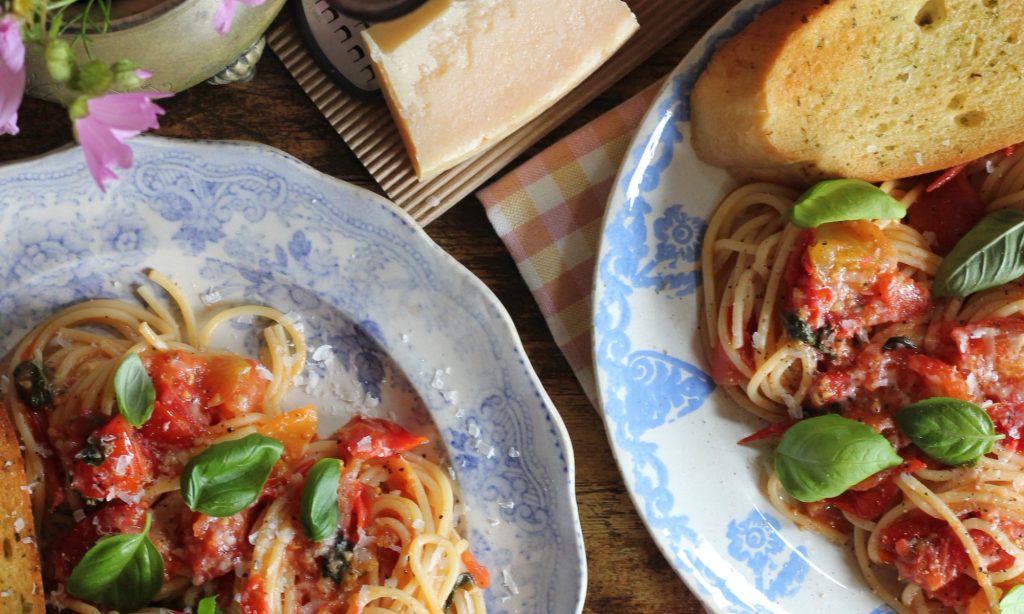
As the seasons transition, the variety of fresh and local ingredients becomes a canvas for creativity in the kitchen. Understanding what’s available in each season can inspire innovative meal planning and preparation techniques. Here’s a glimpse into the unique offerings of each season in the United States:
- Spring: This is a time for renewal, marked by vibrant produce. Asparagus, peas, and radishes emerge, offering light, crisp flavors. Fresh herbs, such as basil and chives, are also a delight, perfect for enhancing dishes with a burst of freshness. For example, a spring risotto, adorned with tender asparagus and a sprinkle of chives, embodies the season’s essence.
- Summer: Arguably the most bountiful season, summer brings a cornucopia of fruits and vegetables. Sweet corn, juicy tomatoes, and summer squash create a vibrant medley that is perfect for grilling or tossing into salads. The summer harvest also features berries like blackberries and blueberries, perfect for indulgent desserts or refreshing smoothies. A summer caprese salad, featuring fresh mozzarella and heirloom tomatoes drizzled with balsamic reduction, celebrates the season’s sun-kissed produce.
- Fall: As the air turns crisp, the earth offers a wealth of hearty ingredients. Pumpkins, squashes, and root vegetables like carrots and potatoes are in their prime. These ingredients lend themselves well to comforting soups and roasted dishes. Autumn is also the season of harvest festivals, where apples and pears shine in pies and preserves. A roasted butternut squash soup garnished with sage epitomizes warm fall flavors.
- Winter: While winter may seem less abundant, it has its own treasures. Root vegetables continue to thrive, providing hearty sustenance. Additionally, citrus fruits like oranges and grapefruits come into season, adding brightness to winter meals. Embracing these ingredients can lead to dishes that offer warmth and comfort, such as a citrus-infused roasted root vegetable medley.
Choosing to explore seasonal ingredients not only enhances the quality of your meals but also encourages a sustainable food culture. This intentional approach goes beyond a mere diet; it transforms the very essence of how we perceive and consume food. Each season serves as a reminder of the cycles of nature and the importance of practicing mindful eating.
As we continue to investigate seasonal cuisine, we will delve into practical tips and techniques for sourcing and preparing seasonal dishes. From exploring local farmers’ markets to experimenting with cooking methods that highlight the natural flavors of ingredients, there is much to learn and celebrate in this dynamic culinary journey.
Exploring the Benefits of Seasonal Cuisine
Delving into the world of seasonal cuisine opens up a palette of flavors that not only elevates your dining experience but also supports sustainable practices. By focusing on fresh and local ingredients, you are reinforcing your community economy while enjoying meals that are often richer in flavor and nutrients. Seasonal ingredients are picked at their peak ripeness, ensuring that each bite bursts with flavor, enhancing the overall quality of your dishes.
| Advantage | Description |
|---|---|
| Flavor | Ingredients are harvested at their peak, offering the most vibrant and satisfying taste. |
| Nutrition | Fresher produce retains more nutrients, contributing to better overall health. |
Moreover, engaging in seasonal cooking minimizes the environmental impact as it reduces the demand for transportation and packaging associated with out-of-season produce. When you prioritize local markets and farms, you not only ensure a lower carbon footprint but also foster relationships with local farmers and artisans, further weaving into the fabric of your community’s culinary scene.
Incorporating Seasonal Ingredients Into Your Meals
Incorporating seasonal elements into your cooking routine can be remarkably simple. Start by visiting a local farmers’ market or community-supported agriculture (CSA) program to see what fresh ingredients are available. Planning your meals around seasonal availability can inspire creativity and excitement in the kitchen, encouraging you to experiment with new recipes that can delight both family and guests alike. With a commitment to seasonal cuisine, you open yourself to a world of culinary adventure that brings you closer to your plate.
Mastering the Art of Seasonal Cooking
As we dive deeper into the world of seasonal cuisine, it’s essential to explore not just the ingredients themselves but also how to capitalize on their freshness through various cooking methods and techniques. This mastery can turn simple vegetables and fruits into extraordinary culinary experiences. Here are some practical tips that will help you harness the power of seasonal ingredients:
- Visit Local Farmers’ Markets: One of the most effective ways to ensure you are using fresh and local ingredients is to shop at farmers’ markets. These markets, often found in cities and towns across the United States, offer a diverse selection of seasonal products. Engaging with local farmers can provide insights on what is truly in season, inspiring recipe ideas and fostering community connections. For instance, connecting directly with farmers provides the opportunity to learn how to select the best produce and understand the story behind what you’re purchasing.
- Preservation Techniques: As you gather vibrant, seasonal produce, consider honing your skills in preservation. Techniques like pickling, fermenting, and canning not only extend the life of your ingredients but also allow you to enjoy the flavors of each season year-round. Imagine enjoying homemade pickles in winter, made from the cucumbers you bought in summer, or savoring peach preserves in the cold months. Methods such as blanching and freezing can also help maintain the integrity of seasonal vegetables.
- Plan Meal Builds Around Seasonal Produce: Adapt your meals to highlight seasonal ingredients rather than treating them as mere accompaniments. For example, in early summer, whip up a pasta primavera using an assortment of garden vegetables sautéed lightly with garlic and olive oil. In the fall, craft a hearty grain salad featuring roasted beets, walnuts, and goat cheese, drizzled with a tangy vinaigrette. Such intentional planning underscores the flavors and versatility of seasonal fare.
- Experiment with Cooking Methods: Different cooking methods can dramatically influence the flavor profiles of seasonal ingredients. Consider grilling summer vegetables to enhance their sweetness or lightly steaming spring greens to preserve their vibrant colors and nutrients. Roasting root vegetables in the fall caramelizes their natural sugars, creating an irresistible depth of flavor. Furthermore, adopting techniques like sous vide or pressure cooking can enable you to extract the natural essence of the ingredients.
- Embrace Culinary Festivals: Across the United States, many areas celebrate their local harvests through culinary festivals that focus on seasonal ingredients. Participating in these events not only provides a delicious experience but also introduces you to local chefs who specialize in seasonal cuisine. Engaging in cooking workshops at these festivals can expand your culinary repertoire and inspire you to try new dishes at home.
As you embrace the concept of seasonal cuisine, keep in mind that the adventure lies in discovering new combinations and flavors that reflect the changing seasons. Whether it’s through cooking methods, ingredient pairings, or community engagement, each step in this journey can serve to deepen your appreciation for the food on your plate and the local sources it comes from. By making a consistent effort to incorporate seasonal ingredients into your meals, you will elevate your culinary creations, engage with your community, and contribute to a more sustainable food culture.
Conclusion: The Journey of Seasonal Cuisine
In the ever-evolving world of seasonal cuisine, the emphasis on using fresh and local ingredients transcends mere culinary trends, evolving into a lifestyle choice that celebrates the beauty of nature’s bounty. As we conclude our exploration, it becomes clear that each season offers unique flavors, textures, and colors that can transform our meals into vibrant expressions of the earth’s rhythm.
By actively engaging with local farmers, utilizing preservation techniques, and experimenting with diverse cooking methods, you have the power to create dishes that resonate with authenticity and depth. This engagement not only enhances your cooking repertoire but also strengthens community connections, reminding us that our food choices have a lasting impact on local economies and sustainable practices.
Moreover, the seasonal approach encourages us to rethink our relationship with food—making us aware of its origins and the importance of supporting local growers. As you plan your meals around what’s in season, you open doors to a perennial journey of adventure, one that invites you to savor the flavors of each harvest while nourishing your body and soul.
As we become more attuned to the cycles of nature, we find that seasonal cuisine is not just about what we eat; it’s about a deeper appreciation for the rhythms of life, an understanding that every ingredient tells a story. So, embark on this flavorful journey, explore local farmers’ markets, participate in culinary festivals, and unlock the door to creative cooking that honors both tradition and innovation.
Embrace the challenge and joy of seasonal cooking, and let it inspire you to transform simple ingredients into extraordinary experiences with every meal. Your palate—a fusion of creativity and seasonality—awaits this delicious adventure.