The Transformation of Art in Social Media: How Artistic Hobbies Are Changing the Way We Share Creativity
Revolutionizing Artistic Expression
In today’s digital age, social media has transformed our relationship with art and creativity in unprecedented ways. Platforms such as Instagram, TikTok, and Pinterest have emerged as vibrant and dynamic galleries, showcasing the talents of both seasoned artists and enthusiastic hobbyists. The traditional barriers that once stifled the sharing of art have all but vanished, allowing creativity to flourish more than ever before.
Artistic hobbies are no longer confined to the intimate settings of studios or the polished walls of galleries. Instead, they now thrive in a vast, interconnected realm where anyone with a smartphone can:
- Post their creations instantly for a global audience, opening the door to recognition that could have previously taken years to achieve.
- Receive real-time feedback on their work, inviting engagement and dialogue with followers who may provide constructive criticism or enthusiastic applause.
- Collaborate with other artists across the world, breaking geographical barriers and fostering a global community of creators sharing ideas and techniques.
This transformation extends beyond mere sharing; it represents a profound cultural shift. Artistic expression is now deeply intertwined with social media trends, leading to:
- Unique artistic movements that arise from the collaborative nature of platforms. For instance, the explosion of digital art has been fueled by viral challenges and hashtag movements encouraging artists to innovate and engage with current events.
- Greater visibility for diverse art forms, from digital illustrations to DIY crafts, allowing niche styles and previously underrepresented creators to find their audience. The rise of platforms like Etsy highlights how online spaces can elevate handcrafted goods into coveted commodities.
- Increased accessibility for audiences who may not frequent traditional art spaces. This democratization of art means that anyone with internet access can explore diverse artistic expressions from across the globe.
The convergence of art and social media has opened up new avenues for exploration and connection. Online communities can rally around causes, foster collaboration, and inspire the seasons of creativity that are vital for artists. As we move further into this digital age, it becomes evident that social media is reshaping not only how we share creativity but also redefining the very fabric of artistic culture. We encourage you to stay tuned as we dive deeper into this phenomenon, exploring the implications on both artists and audiences alike.
Embracing Diverse Artistic Expressions
The rise of social media has paved the way for an explosion of artistic hobbies. Platforms like Instagram and TikTok serve as fertile grounds for individuals to cultivate and share their creative pursuits. No longer limited to traditional mediums such as painting and sculpture, artistry now encompasses a vast array of forms that resonate with different audiences. The ability to connect and engage with others has unlocked a treasure trove of opportunities for artists and hobbyists alike.
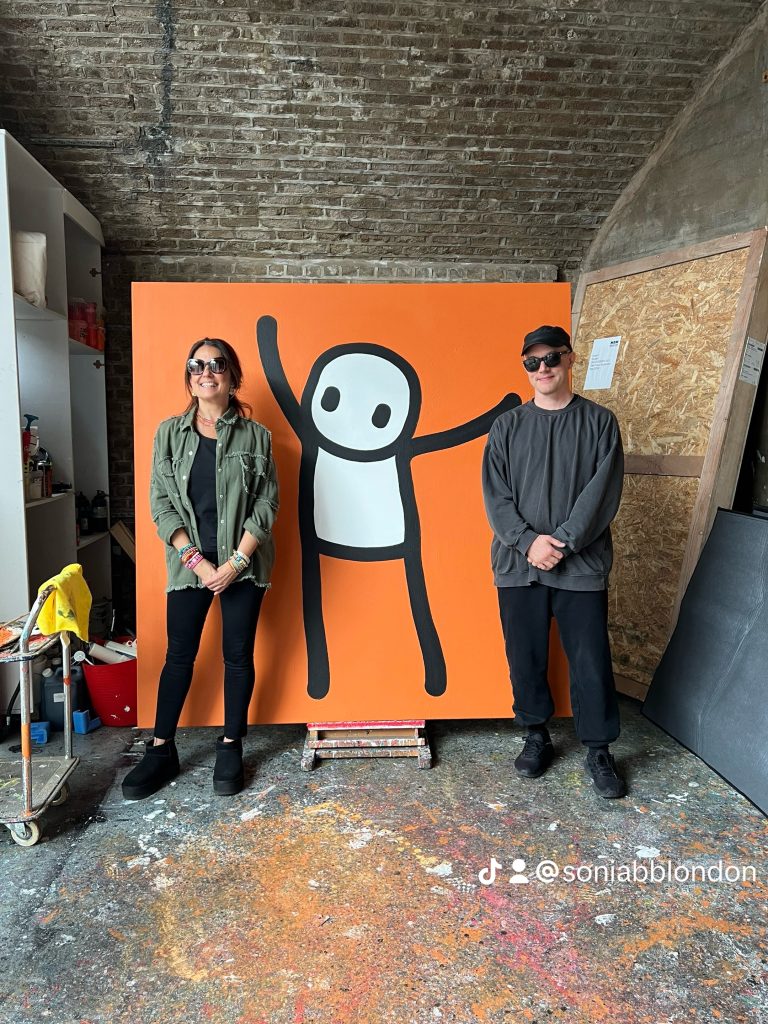
From the playful experimentation of DIY projects to the captivating realms of digital art, hobbyists are leveraging these platforms to showcase their work in innovative ways. This new landscape has led to several significant transformations in how creativity is shared and perceived:
- Emergence of New Trends: Social media platforms have become incubators for artistic trends. For instance, hashtags like #Inktober inspire thousands of artists to engage in daily drawing challenges, invigorating a sense of community and motivation.
- Accessibility of Learning Resources: Unlike traditional art classes that may be cost-prohibitive for many, social media allows users to access countless tutorials and guidance. Platforms like YouTube and Instagram host an expansive library of free content, making learning new techniques as easy as a few clicks away.
- Commercial Opportunities: Beyond merely showcasing art, hobbyists can now turn their passions into lucrative ventures. Websites like Etsy and Redbubble make it easier for creators to sell prints and merchandise, turning artistic hobbies into viable small businesses.
This transformative moment in the art world creates an atmosphere where diversity and experimentation thrive. As audiences browse their feeds, they are captivated by unique artistic styles and expressions that may not have been visible in traditional galleries. This diversity enhances the dialogue around art, encouraging individuals to challenge norms and explore new narratives.
Moreover, the social engagement facilitated by platforms like TikTok gives rise to a new kind of artistic collaboration. Challenges and duets not only provide a sense of camaraderie but also elevate collective creativity. Artists collaborate on engaging projects, merging styles and ideas into fresh and innovative works that captivate a global audience.
As we delve deeper into this cultural shift, it’s apparent that social media is more than merely a platform for sharing art; it is a dynamic catalyst redefining our interactions with creativity. Artists from all walks of life are finding their voices, reshaping artistic culture in ways we have yet to fully comprehend. Stay tuned as we further investigate the implications of these changes on both the artists themselves and the audiences who engage with their work.
The Impact of Social Media on Artistic Expression
Social media has profoundly transformed the way artists express themselves and share their work. Platforms such as Instagram, TikTok, and Pinterest have become essential tools for gaining recognition and connecting with audiences worldwide. Artists can now showcase their creations to a global audience, breaking down geographical barriers that once limited exposure. As a result, local artists can find fans across continents, promoting cultural exchange and diversity in art styles.
This democratization of art has led to a surge of emerging talent. A significant number of individuals are embracing their artistic hobbies and showcasing their work online, regardless of formal training. Consequently, artistic communities flourish, enabling collaborative projects and engagement with fellow creators. Moreover, social media algorithms can amplify the visibility of outstanding works, giving rise to viral art trends and challenges that encourage even more creativity.
The Role of User-Generated Content
User-generated content plays a pivotal role in this transformation. Many platforms encourage sharing creative processes, from sketches to final pieces, fostering a sense of belonging among artists and art enthusiasts. This transparency not only inspires others to join the creative journey but also provides a valuable educational resource. Aspiring artists benefit from tutorials, critiques, and tips shared within these online communities, which further enrich their skills and confidence.
Furthermore, social media enables unique forms of interaction, allowing artists to receive instant feedback from their followers. This direct communication can enhance the creative process, as artists adapt their styles and themes based on audience reactions. Such engagement creates a dynamic relationship between the artist and the viewer, turning traditional one-way communication into a vibrant dialogue that fuels artistic innovation.
Commercial Opportunities and Challenges
The rise of artistic expression on social media has also reshaped the commercial landscape for creators. Artists can monetize their work through sponsorships, merchandise, and commissions directly sourced from their online presence. While this presents exciting opportunities, it also brings challenges, such as oversaturation and market competition. As achieving visibility becomes increasingly difficult, artists must continually innovate and engage their followers to maintain relevance in a rapidly evolving digital space.
In conclusion, the transformation of art in social media has fostered a thriving ecosystem of creativity and collaboration. This shift not only empowers individuals to express themselves but also brings forth new avenues for sharing and monetizing their passions. As artists navigate this complex landscape, their journeys serve as a testament to the evolving nature of artistic expression in the digital age.
| Advantages | Characteristics |
|---|---|
| Global Reach | Brings artists and audiences together from all corners of the world. |
| Community Building | Fosters collaboration and networking among artists and fans alike. |
Redefining the Artist-Audience Relationship
One of the most profound changes brought forth by social media is the redefinition of the artist-audience relationship. Traditionally, artists were often isolated in studios or galleries, creating works that may or may not resonate with public sentiment. Today, this dynamic has evolved into a more interactive experience. Artists can receive immediate feedback, engage with their followers, and fine-tune their creations based on real-time responses.
This newfound capacity for interaction prompts a shift in what it means to be an artist in the contemporary landscape. Social media influencers have emerged as key players in the art world, blurring the lines between professional and amateur creators. Artists can cultivate a following by sharing the process behind their work, offering glimpses into their creative journeys, which invites audiences to become active participants rather than mere observers. This participatory culture allows for unique narratives to flourish, as audiences feel personally connected to an artist’s story.
Engagement isn’t limited to mere comments or likes; social media platforms offer features that encourage collaboration and dialogue, such as Instagram’s Stories and Live sessions. Here, artists can host Q&A sessions, provide behind-the-scenes insights, or even conduct live art demonstrations. This approach not only humanizes the artist but also democratizes art-making, inviting diverse voices into the conversation. For instance, the rise of live-streamed art sessions has attracted audiences from various demographics, creating a melting pot of ideas and inspirations.
Inclusivity and Representation in Digital Art Spaces
Furthermore, the atmosphere of inclusivity fostered by social media has given rise to underrepresented communities in the art world. Historically marginalized groups are now able to reclaim their narratives through platforms like Instagram and TikTok. Specialized movements such as the #BlackCreatorsMovement and #WomenWhoPaint have gained traction, supporting artists who previously faced barriers in traditional art spaces. This shift emphasizes the democratization of creativity, where every voice counts and representation matters.
Data shows that 60% of social media users claim to follow artists in underrepresented communities, significantly broadening the visibility of these creators. This surge in diverse artistic representation not only enriches the art world but also challenges institutional biases, promoting a cultural shift toward equity and acceptance. By integrating personal experiences with broader artistic ideals, these artists contribute to a more inclusive narrative in contemporary art.
The Role of Algorithmic Curation
However, the influence of algorithms cannot be overlooked in this transformation. The way algorithms curate content can significantly impact what art gains visibility. Artists who understand how to navigate these systems can amplify their reach, but it also raises questions about authenticity and expression. Are artists creating for their audiences, or are they being shaped by the platforms they use? This conundrum presents an ongoing debate about the influence of social media on artistic integrity and originality.
As we explore these intricate layers of social media’s influence on art, it becomes evident that the transformation is far-reaching. By redefining relationships, encouraging inclusivity, and navigating the complexities of algorithmic presence, we catch a glimpse into the ever-evolving landscape of creativity. Each brushstroke, photograph, and digital design carries the weight of collective storytelling, offering a richer understanding of the world around us.
Embracing the New Era of Creativity
In conclusion, the landscape of art has undergone a significant transformation through the rise of social media, fundamentally altering how creativity is shared and experienced. The interactive nature of platforms like Instagram, TikTok, and Pinterest allows artists to engage directly with their audiences, fostering a community where feedback is instantaneous and collaboration is easily accessible. This newfound engagement not only enhances the personal relationship between creators and their followers but also democratizes art-making, creating opportunities for diverse voices, especially from underrepresented communities, to be heard.
The statistics underscore this shift: approximately 60% of social media users actively follow creators from these communities, highlighting a hunger for varied perspectives and stories within the art world. Furthermore, the influence of algorithmic curation has brought both challenges and opportunities, prompting artists to adapt and navigate their presence in a digital space that seeks engagement above all else. While this raises concerns about authenticity and individual expression, it also opens doors for unique interpretations of art that reflect a broader cultural tapestry.
Ultimately, as social media continues to shape the narrative of creativity, artists are equipped with powerful tools to broaden horizons and inspire others. They can tell their stories, share their processes, and invite audiences into their artistic journeys. As we move forward, the challenge will be to maintain authenticity amidst digital noise, ensuring that creativity flourishes in all its forms. The ongoing evolution of creativity through social media reminds us that art is not just a solitary act but a dynamic conversation that transcends boundaries.