The Impact of Technology on Artistic Expression: How Digital Hobbies Are Transforming Creativity
The Evolution of Artistic Expression Through Technology
As we journey deeper into the 21st century, the realm of artistic expression is undergoing a profound transformation. Technology is not merely an accessory; it has become the brush, the canvas, and even the muse for countless creators. From digital painting to virtual reality experiences, the fusion of tech and artistry is reshaping how we perceive and engage with creativity.
This integration of technology into the arts is exemplified through various innovative tools and mediums. For instance, the advent of digital art software like Adobe Photoshop and Procreate has revolutionized traditional painting and drawing techniques. Artists can manipulate colors and textures with precision, experiment with layers, and even employ artificial intelligence algorithms to inspire or complete their works. This software enables creators to explore endless possibilities, push boundaries, and adapt to the evolving landscape of visual storytelling.
An exciting avenue emerging from technological advancements is 3D printing. This technology allows sculptors to create intricate, detailed structures that were previously unimaginable. Artists can design anything from delicate jewelry to expansive installations, effectively bridging the gap between digital design and physical art. For example, artists like Josh Harker have revolutionized sculpture by creating complex printed pieces that could never be achieved by hand alone. This fusion of art and technology encourages a reconsideration of materiality and the very notion of craftsmanship.
In addition to these tools, online platforms such as DeviantArt and Instagram have democratized the art world, enabling creators to share their work with global audiences. This shift eliminates traditional barriers to entry, allowing anyone with an internet connection to display their talent. The rise of social media has led to new trends in art consumption, where instant feedback and the virality of images play a critical role in an artist’s exposure and career. Museum exhibits now even incorporate social media feeds, prompting viewers to interact and engage with the art in real-time.
The digital evolution fosters not only new mediums but also diverse communities. Artists can connect, collaborate, and share their work in ways that were once limited by geography. Platforms like Behance and ArtStation showcase portfolios and facilitate collaboration across continents, forging a sense of global camaraderie among creators. This interconnectedness nurtures a unique digital hobby culture that embraces experimentation and accessibility, allowing artists to refine their skills and find their unique voice without the constraints of physical workshops or gallery spaces.
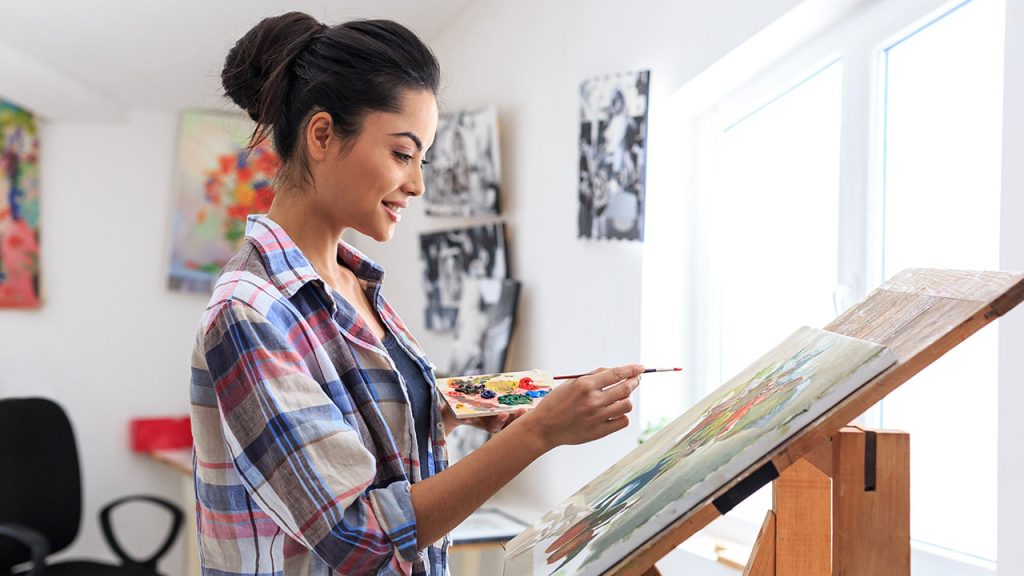
As technology continues to reshape artistic expression, the question remains: how are these digital hobbies not only transforming creativity but redefining what it means to be an artist in today’s world? The implications are significant, prompting us to explore further how these advancements challenge traditional definitions of art, authorship, and creative community, revealing a multi-dimensional landscape where anyone can be an artist.
Redefining Creativity: The Rise of Digital Hobbies
The drive to create has always been a fundamental aspect of human expression, and with technological advancements, the very definition of creativity is being redefined. Digital hobbies have emerged as significant contributors to this transformation, bringing artistic skills to the fingertips of enthusiastic individuals and established artists alike. From photography to music production, these hobbies allow for unprecedented exploration and innovation within various artistic domains.
One notable impact is seen in the realm of digital photography. Tools such as smartphones with advanced camera technology and editing applications like Lightroom have made photography more accessible than ever. Aspiring photographers can capture stunning images and manipulate them with ease, often rivaling the work of professionals. The ability to instantly share these images through platforms like Instagram allows photographers to build an audience quickly, leading to potential career opportunities.
Moreover, the democratization of music production has transformed the way artists create and distribute their work. With affordable software like GarageBand and FL Studio, anyone with a passion for music can experiment with composing and producing tracks from the comfort of their homes. The digital landscape has provided a breeding ground for new genres and styles, as artists collaborate online with others across the globe. This engagement facilitates a diverse cultural exchange, resulting in innovative soundscapes that reflect a fusion of influences.
In addition to photography and music, the world of video creation has flourished thanks to platforms like YouTube and TikTok. Creators leverage editing software and user-friendly tools to produce content that resonates with vast audiences. Whether it’s short films, tutorials, or vlogs, the ability to reach millions overnight has stimulated a culture where creativity thrives. Content creation has become a favored pursuit for many, as individuals are drawn to storytelling and visual expression to connect with others.
Key Benefits of Digital Hobbies on Artistic Expression
- Accessibility: Advanced technology has removed barriers, making artistic expression available to a broader audience.
- Variety: A multitude of digital tools offers diverse options for creativity, enabling artists to experiment with new styles and mediums.
- Collaboration: Online platforms foster connections among artists, encouraging collaborative projects that would have previously been inconceivable.
- Instant Feedback: Artists can receive immediate reactions to their work from their audience, allowing for rapid refinement and engagement.
The impact of these digital hobbies extends beyond the personal; they also invite broader conversations about ownership and authorship in the digital age. As technology encourages a culture of sharing and remixing, the traditional hierarchies of art creation are challenged. What constitutes originality? How do we define artistic integrity in a world where tools and inspiration are shared so readily? These questions propel further exploration into the relationship between technology and artistic expression, culminating in a landscape where creativity can genuinely flourish.
As we delve deeper into the impact of technology on artistic expression, we uncover how digital tools are not only enhancing creativity but also redefining what it means to be an artist. From the rise of digital painting to the world of 3D modeling, technology offers unprecedented opportunities for creators to experiment with their art forms. One significant aspect is the accessibility of creative software. Programs like Adobe Creative Suite, Procreate, and Blender are democratizing design, allowing aspiring artists to explore their potential without the need for expensive traditional materials.Moreover, the internet serves as a thriving platform for collaboration and sharing. Social media channels like Instagram and platforms such as Behance provide artists a global audience, enabling them to showcase their work and connect with fellow creatives. This has led to an interconnected community where feedback is shared, inspiring innovation and honing skills across diverse artistic disciplines.Virtual reality (VR) and augmented reality (AR) are further pushing the boundaries of creativity. Artists can immerse themselves in a 360-degree virtual space, creating experiences that engage and captivate audiences in ways previously thought impossible. These technologies not only transform the creation process but also enhance user experience, allowing viewers to interact with art dynamically.The influence of streaming services for live art demonstrations has also risen, allowing real-time engagement between artists and audiences. Platforms like Twitch or YouTube offer artists a chance to broadcast their creative processes, thus fostering community and collaboration while monetizing their skills. This evolution of artistic expression fosters a unique space where creativity flourishes through technological innovation.As artists continue to experiment with and embrace these digital tools, the traditional notions of what constitutes art evolve as well. New mediums and methods invite diverse interpretations, urging both audiences and creators to explore the expanding boundaries of artistic expression. This transformation not only impacts individual artists but reshapes the entire landscape of the creative industry, encouraging interdisciplinary approaches that blend technology with traditional art forms. With such exciting developments, the future of creativity appears boundless.
Shifting Paradigms: Art in the Age of Digital Innovation
The infusion of technology into creative ventures has led to a seismic shift in traditional art forms, illustrating how digital hobbies are reshaping the landscape of artistic expression. From fine arts to literature, innovation is driving changes in methods and mediums, encouraging artists to experiment and evolve in ways that were previously unimaginable.
One striking illustration can be found in the domain of digital painting and illustration. Programs like Adobe Photoshop and Procreate have given aspiring artists the ability to create stunning visuals with a variety of tools and effects at their disposal. With the introduction of graphic tablets that simulate the experience of painting on canvas, the tactile nature of traditional art is maintained even in a digital format. This seamless blend enables new artists to explore their creative ideas without the intimidating cost of materials—an essential factor for those just starting their artistic journeys.
Furthermore, the realm of 3D modeling and animation has gained prominence with the advent of software such as Blender and Autodesk Maya. Artists can design intricate digital sculptures and animations that can be shared and experienced globally. The rise of virtual reality (VR) has introduced yet another dimension, allowing audiences to immerse themselves in 3D environments crafted by artists. This creates a sense of presence and interactivity that redefines the viewer’s experience, pushing the boundaries of how art can be perceived and engaged with.
The rise of social media platforms has also dramatically transformed how artists market their work and cultivate their personal brands. TikTok and Instagram, in particular, provide avenues for artists to showcase their processes and finished pieces, cultivating genuine connections with their audiences. The virality of certain artworks leads to opportunities for commissions and collaborations that further enhance an artist’s visibility and reach. Additionally, engaging content, like time-lapse videos of artwork being created or behind-the-scenes glimpses, resonates well with potential art buyers and fans alike, fostering an environment of inclusivity in the art community.
The Role of Online Communities in Artistic Growth
As digital hobbies flourish, online communities play an integral role in shaping the artistic journey. Platforms like DeviantArt, ArtStation, and various forums maintain specialized networks where artists can share and critique each other’s work. These communal exchanges not only nurture individual growth but also create a sense of belonging among artists who might otherwise feel isolated in their pursuits. The prospect of receiving constructive feedback from peers sparks continual learning, enabling artists to refine their techniques and expand their creative horizons.
Challenges also accompany these advancements, particularly concerning the notion of copyright and intellectual property. As artists share and remix content in the digital sphere, issues surrounding ownership become increasingly complex. The ease of sharing and redistributing art raises questions about what is ethically acceptable when it comes to inspiration and appropriation. Artists must navigate these waters while still benefitting from the collaborative nature of the digital landscape.
Indeed, as technology propels artistic expression into new realms, the continuous evolution of digital hobbies reflects a broader cultural shift. The interplay between technology and creativity not only enhances individual artistry but also facilitates a richer dialogue regarding the future of art in an ever-transforming digital world.
Conclusion: Embracing the Digital Canvas
The intersection of technology and creativity is no longer just a fleeting trend; it is a profound transformation in the way we experience and create art. As illustrated throughout this exploration, dDigital hobbies have empowered a new generation of artists to break free from traditional constraints, embracing sophisticated tools and platforms that enrich their artistic expressions. From the allure of digital painting to the immersive worlds of 3D modeling and VR, the possibilities are virtually limitless. Moreover, the rise of social media has democratized the art community, allowing individuals to share their work and connect with audiences like never before.
However, as innovative as these advancements are, they also pose challenges, particularly surrounding issues of copyright and intellectual property. Artists must navigate this complex landscape thoughtfully, ensuring that they respect the origins of inspiration while continuing to push creative boundaries. This tension reflects a broader cultural dialogue about what it means to be an artist in the digital age—a balance between collaboration and originality.
Looking ahead, the evolution of artistic expression in the digital realm is poised to continue. As technology advances, it will further reshape our definitions of creativity and community. For those interested in exploring these digital landscapes, the journey awaits, inviting you to partake in a dynamic process that not only cultivates individual talent but also strengthens collective experiences. In this new era, every digital hobby is an invitation to engage, to create, and to redefine what art truly means.