The Evolution of Artistic Expression Through Hobbies: How Creative Practice Transforms Emotions
Unleashing Creativity Through Hobbies
Artistic expression has long been intertwined with our emotional experiences, offering a means to articulate feelings that may otherwise remain locked inside. In recent years, the rise of hobbies as a vital form of creative practice has allowed people to explore their emotions in new and transformative ways. Whether through visual arts, writing, music, or crafting, individuals are uncovering pathways to communicate and connect, not just with themselves, but also with the world around them.
- Painting – This form of artistic expression offers a visual outlet for emotions, inviting individuals to splash color and form on canvas as they explore their innermost thoughts. For instance, an artist grappling with sadness may create a piece dominated by darker hues, allowing their feelings to take shape. The therapeutic process behind creating art, whether it’s abstract or representational, can lead to cathartic release and self-discovery.
- Writing – Engaging in writing, from journaling to poetry and storytelling, enables individuals to delve deep into their thoughts and experiences. Writers often find clarity in their struggles or triumphs as they articulate them on paper. For example, a personal blog can serve as both a creative outlet and a means to build a supportive community around shared experiences.
- Music – Universally recognized as a powerful medium of expression, music resonates profoundly with the human soul. Learning to play an instrument or singing can serve as a therapeutic outlet for emotions. For instance, many people have turned to songwriting during retrospection, allowing melodies and lyrics to express feelings of joy, pain, or hope in ways that words alone often cannot.
- Crafting – Engaging in hands-on projects like knitting, woodworking, or scrapbooking encourages not only creativity but also mindfulness and self-expression. Crafting can serve as a meditative practice, helping individuals focus on the present moment while creating something tangible and beautiful. This can lead to a profound sense of accomplishment and satisfaction.
These hobbies not only serve as creative outlets but also act as vital tools for personal growth. The emotional benefits of engaging in artistic pursuits can include:
- Reduced stress and anxiety – Creative hobbies can provide a therapeutic escape from the pressures of everyday life, fostering a sense of peace and tranquility.
- Increased self-awareness – Participants often discover more about themselves as they engage with their emotions through their chosen medium, contributing to personal growth.
- Enhanced mood and well-being – The act of creating can trigger the release of endorphins, leading to improved mood and overall life satisfaction.
As we explore the evolving landscape of hobbies, it is striking to see how these activities have transitioned from mere pastimes to essential components of emotional health. In an era increasingly dominated by technology and digital distractions, the allure of handmade artistry and personal expression is burgeoning. People are not just seeking escape but are also inviting curiosity into their lives, encouraging deeper exploration of both their passions and their feelings.
Ultimately, embracing creative hobbies allows individuals to enrich their lives, foster well-being, and create meaningful connections with others. As this trend continues to gain momentum, it’s worth examining how these artistic endeavors are reshaping our understanding of creativity and emotional expression in the modern world.
Rediscovering the Joy of Artistic Hobbies
The journey of self-expression through art is as old as humanity itself, but the way we engage with those expressions has evolved significantly in recent decades. As our daily lives become increasingly hectic and technology-driven, a growing number of individuals are turning to artistic hobbies as a means of reconnecting with their emotions. In the United States, this has manifested in various forms, from community art classes to online workshops that boast thousands of participants. The desire to create is not just a quest for beauty but an essential path to emotional resilience and self-fulfillment.
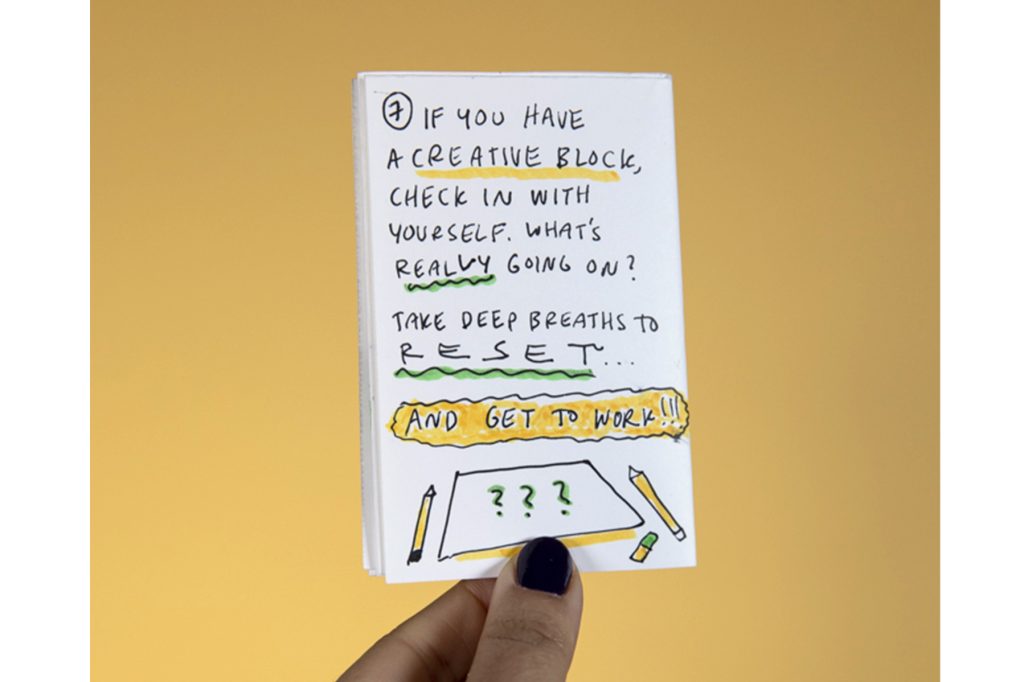
Research shows that engaging in artistic hobbies can provoke profound shifts in emotional states. For example, painting is not merely about producing aesthetically pleasing images; it’s an emotional journey where every brushstroke has the potential to unearth subconscious feelings. Art therapy specialists highlight that colors can evoke specific emotions, and the mere act of choosing a palette can signify a mood expressing struggle, joy, or healing. Many individuals use painting as a form of meditation, tapping into their inner worlds and translating complex emotions into visual narratives that speak louder than words.
Writing, too, serves as an essential outlet for reflection and emotional clarity. Contemporary platforms like blogs or social media allow writers to share their personal stories, facilitating a sense of community among those experiencing similar challenges. This digital space not only provides validation but also encourages catharsis through shared vulnerability. A recent survey indicated that 80% of participants who engaged in creative writing reported heightened self-awareness and confidence, affirming the transformative power of words.
The Therapeutic Value of Music
The connection between music and emotions is universal. From composing a melody to belting out lyrics, music offers a unique therapeutic escape. Research conducted by the American Psychological Association illustrates that participating in musical activities can significantly improve mental health. Learning to play an instrument or sing can foster emotional release and connection. The emotional resonance of music enables individuals to articulate pain, celebration, and hope when conventional language often falls short. Songwriting, in particular, is an intimate act that marries melody with emotion, inspiring countless people to chronicle their life experiences through a lyrical lens.
The Mindfulness of Crafting
Crafting, ranging from knitting to woodworking, has witnessed a resurgence in popularity, offering a hands-on approach to artistic expression. This creative practice encourages mindfulness as individuals focus on the tactile sensations of their materials, allowing distractions to fade away. Engaging with one’s hands not only promotes a sense of accomplishment but also enhances emotional well-being. A study from the University of Exeter reveals that participants who engaged in crafting reported a 25% reduction in feelings of anxiety and stress compared to their non-crafting counterparts. This finding underscores the potential of crafting as a therapeutic tool and a way to self-soothe.
As folk art fairs and DIY workshops flourish across the country, it is clear that hobbies are infusing contemporary culture with emotional richness. By offering a safe space for expression, these artistic practices are redefining how we connect with ourselves and each other. The ongoing evolution of artistic expression through various hobbies is revolutionizing emotional encounters, transforming the mundane into the extraordinary. This shift emphasizes the need for continued exploration of creative practices as essential components of mental and emotional health.
The journey through the evolution of artistic expression reveals a rich tapestry where personal hobbies transform not only skills but also emotions. As individuals engage in creative practices, they discover newfound capabilities that often extend beyond mere aesthetics. A significant aspect of this journey is how various forms of art, from painting to pottery, can serve as therapeutic outlets. This therapeutic potential is widely recognized, where activities like creative writing and music empower people to articulate their feelings and experiences.
Research has shown that engaging in artistic hobbies reduces stress levels and enhances mental health. For instance, drawing not only helps in expressing complex emotions but also strengthens cognitive functions. Through the lens of artistic expression, one can find representation for their feelings that may otherwise remain unsaid. The act of creating encourages mindfulness, a state where practitioners can focus on the present moment and escape the grasp of anxiety and worry. A study from the Journal of Arts and Health notes that even a short session of painting can boost one’s mood significantly.
Beyond mental health benefits, hobbies provide a unique social platform. Communities formed around shared artistic interests foster collaboration and connection. Workshops and local art groups become spaces where individuals share knowledge and encouragement, further enhancing emotional resilience. Often, these settings become havens for exchanging ideas and stories that highlight personal journeys, allowing participants to see their struggles reflected in others.
Moreover, the evolution of technology brings new dimensions to creative practices. Digital art, photography, and online music production have reshaped how individuals express themselves. Social media platforms serve as a gallery for creativity, providing a space for artists to showcase their work and receive feedback. This online engagement not only validates feelings but also cultivates a sense of belonging—a vital aspect of emotional health. As people explore these modern forms of expression, they continue to redefine what it means to be creative in an ever-changing world.
| Category | Advantages of Artistic Hobbies |
|---|---|
| Mental Health | Helps reduce stress and enhances emotional well-being. |
| Community Building | Creates a space for social interaction and support through shared artistic interests. |
| Skill Development | Encourages continuous learning and enhances personal growth. |
| Cognitive Benefits | Improves critical thinking, problem-solving, and creativity. |
This profound connection between hobbies and emotional health sheds light on how the arts provide an enduring pathway for personal understanding and expression. The ongoing exploration of creative practices undoubtedly reveals further depths of human experience, emphasizing that the act of creating is inherently linked to our emotional landscapes.
The Intersection of Technology and Artistic Hobbies
As the digital age reshapes how we create and consume art, the intersection of technology and artistic hobbies has introduced new avenues for emotional exploration. Platforms such as YouTube and Instagram have democratized artistic expression, allowing users to share their creative journeys with a global audience. This accessibility has not only fostered a new generation of artists but has also reinforced the interconnectedness of communities united through shared interests and experiences. Online challenges, like Inktober for drawing enthusiasts or the Acrylic April campaign for painters, encourage participants to engage creatively while showcasing their progress in real-time. This collaborative spirit offers a sense of belonging and motivation, enhancing emotional well-being and resilience in those pursuing artistic practices.
The rise of digital art tools and apps has transformed the landscape of artistic expression. Programs like Procreate or Adobe Fresco provide aspiring creators with the ability to draw, paint, and animate directly from their tablets or smartphones. This technology allows for quick experimentation and immediate feedback, enabling individuals to push the boundaries of their creativity. Research conducted at Stanford University indicates that digital creation can lead to increased ideation and emotional expression among artists, as the iterative nature of digital tools encourages users to explore various ideas freely and without fear of traditional failure.
Social Media as a Creative Outlet
The role of social media in promoting artistic hobbies cannot be understated. Not only does it serve as a platform for sharing artwork, but it also invites discussion and feedback from a diverse audience, which can be invaluable for personal growth. Platforms like Pinterest and TikTok have emerged as hotspots for inspiration, providing a boundless reservoir of DIY projects, artistic tutorials, and creative how-tos. The impact of participatory culture in these spaces is profound; individuals can feel empowered to try new techniques and styles, often leading to transformative emotional breakthroughs as they discover their unique voices in the creative process.
The phenomenon known as “creativity contagion” has been observed, where exposure to others’ creative works inspires increased engagement in artistic hobbies among viewers. A study conducted by the University of California revealed that individuals who frequently interacted with creative content showed a 33% increase in their propensity to attempt artistic projects themselves. This finding emphasizes the influential role of community dialogue in nurturing creative practice and emotional well-being.
Artistic Hobbies in Mental Health Therapy
Beyond personal expression, artistic hobbies have gained recognition in therapeutic settings. Many mental health professionals are incorporating creative practices as a fundamental part of treatment. Techniques like music therapy, art therapy, and drama therapy leverage the power of creativity to engage clients emotionally and solve problems collaboratively. For instance, studies from the American Journal of Arts Therapy report that individuals who participated in group art therapy sessions experienced a significant decrease in symptoms of anxiety and depression.
Therapists have noted the profound impact of artistic hobbies in building a sense of identity and emotional resilience among clients, further solidifying the importance of creativity as a means of healing. By fostering an environment where emotions can be safely expressed, art becomes a bridge between internal struggles and external connection, reinforcing the notion that creativity is not merely a hobby but a vital part of emotional health and growth.
Conclusion: The Transformative Power of Artistic Hobbies
Throughout history, the journey of artistic expression through hobbies has revealed a profound relationship with human emotions. As we’ve explored, the fusion of technology, community engagement, and mental health awareness has redefined creative practices, paving the way for new opportunities for emotional exploration. Social media platforms and digital tools not only democratize art but also create vibrant spaces where individuals can share experiences and develop their unique voices. This evolution extends beyond personal fulfillment, serving as a vital resource in therapeutic contexts where artistic hobbies are proving to be powerful tools for healing and self-discovery.
As more individuals embrace artistic pursuits, the ripple effect strengthens communal bonds and cultivates resilience in navigating emotional landscapes. The research underscores that engaging in creative practices fosters emotional clarity and well-being, showcasing how art is a bridge between internal struggles and communal connection. Whether through painting, music, or digital creation, the act of creating becomes a reflective journey that resonates deeply within us. With the rise of initiatives promoting creativity for mental health, the potential of artistic expression to transform emotions is not just a trend—it is an evolving narrative that deserves attention and exploration.
As we look to the future, the question remains: How will emerging technologies and shifting societal values further influence this creative landscape? The possibilities are as vast as the human imagination, inviting everyone to explore the realm of artistic hobbies and discover the incredible journey of self-transformation through creativity.