
Creative Cooking for Kids: Fun Recipes that Encourage Little Ones to Cook
The Joy of Cooking for Kids
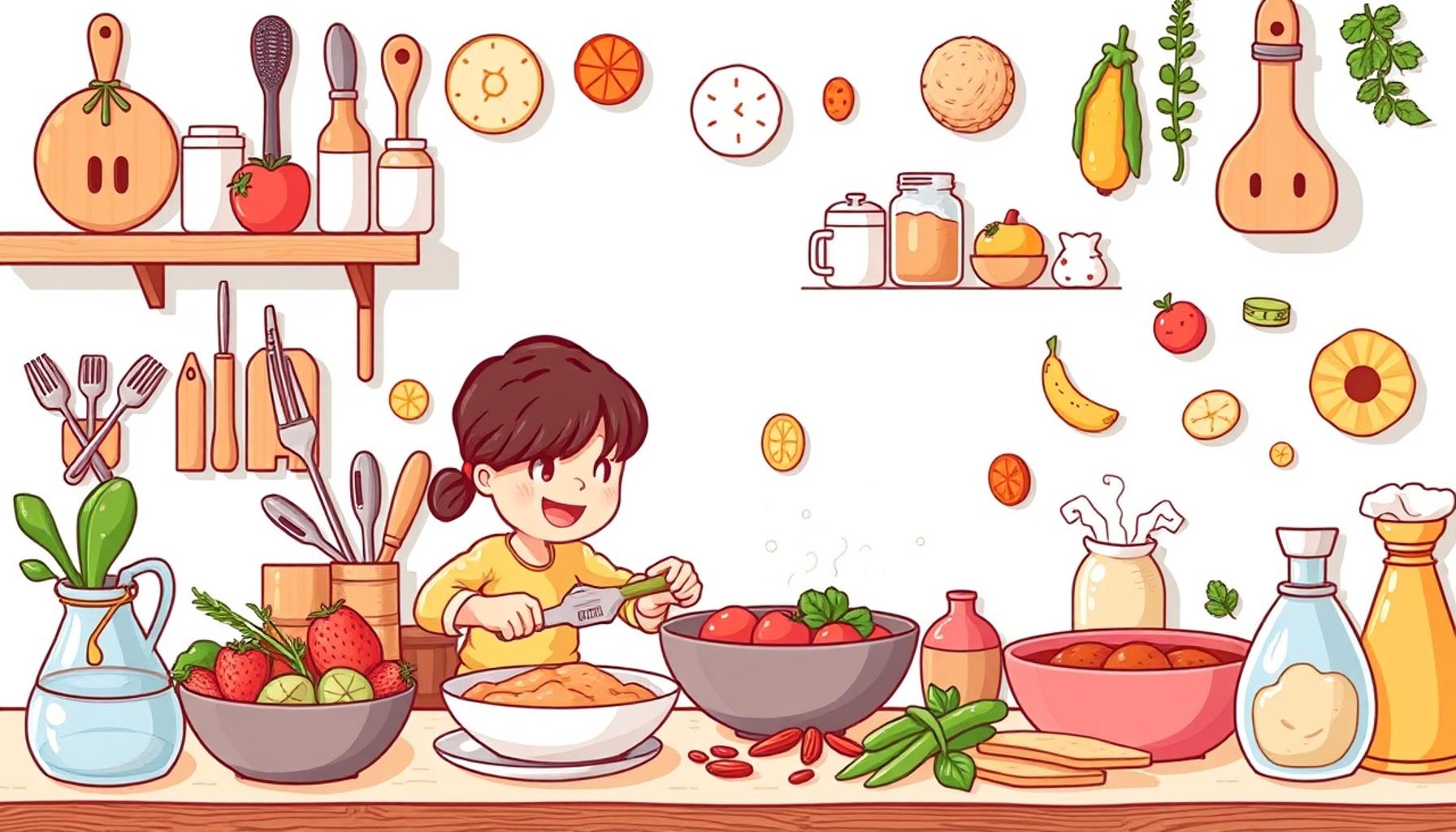
Cooking with children opens the door to a delightful adventure where every ingredient can spark creativity, learning, and fun. This hands-on activity allows young minds to immerse themselves in the culinary arts while creating tasty memories alongside family and friends. From guiding little hands in kneading dough to assembling colorful fruit platters, the kitchen can transform into a vibrant playground for imagination.
Engaging kids in the kitchen comes with a plethora of benefits that extend beyond just meal preparation:
- Boosts confidence: Cooking teaches children that they can accomplish tasks independently, whether it’s flipping pancakes or stirring a pot. Each finished dish reinforces their self-esteem and motivates them to try new things.
- Enhances skills: The process of cooking hones fine motor skills, as young chefs chop, mix, and pour. Furthermore, it encourages teamwork when they work alongside siblings or parents, learning to collaborate in the kitchen like a well-coordinated unit.
- Promotes healthy eating: Children are often hesitant to try new foods, but when they take part in the cooking process, they become more excited to sample their creations. This active involvement leads to a greater appreciation of flavors and nutrition.
Consider whipping up vibrant vegetable pizzas using whole wheat crusts topped with a rainbow of peppers, mushrooms, and spinach. Or create quirky fruit kebabs by threading colorful pieces of watermelon, grapes, and berries onto skewers. These dishes not only allow children to learn essential cooking techniques but also spark their creativity as they explore various flavor combinations.
Through these culinary explorations, children acquire invaluable life skills:
- Planning: Following a recipe instills organizational skills as they learn to gather ingredients and create a timeline for cooking activities. This is akin to project management—an essential skill in today’s fast-paced world.
- Math skills: Measuring ingredients teaches practical applications of math. For instance, dividing a cup of flour into half utilizes fractions, which reinforces their classroom learning.
- Nutrition knowledge: Discussing the ingredients provides a platform for parents to educate their children about balanced diets and the benefits of consuming whole foods.
Exploring creative cooking for kids not only fosters family bonding through shared experiences but also creates delicious meals that everyone can enjoy. From planning meals to addressing how ingredients affect health, each cooking session turns into a holistic educational experience. So, gather the little ones, roll up those sleeves, and embark on this flavorful journey together. You’ll not only ignite a passion for cooking but also create lasting memories, one recipe at a time!
Deliciously Fun Recipes for Young Chefs
Creating a culinary adventure in the kitchen is made even more exciting with fun recipes that encourage little ones to cook. These recipes not only teach essential cooking skills but also ignite a child’s imagination and appetite for nutritious food. When children step into the kitchen, they transform from passive eaters to enthusiastic creators, exploring flavors, textures, and techniques that will last a lifetime.
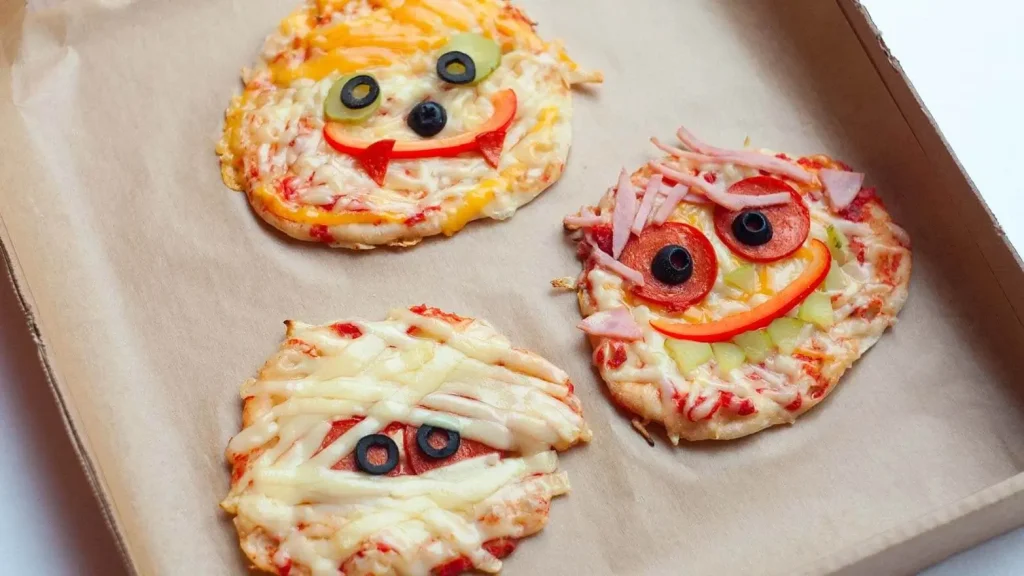
One delightful recipe that is perfect for kids is the DIY Mini Pizzas. Not only do children relish the idea of customizing their own pizzas, but this activity also introduces them to the basics of baking and food preparation. Here’s how to make them:
- Ingredients: Whole wheat English muffins, tomato sauce, shredded mozzarella cheese, and an assortment of toppings like pepperoni, bell peppers, olives, or even pineapple.
- Instructions:
- Preheat the oven to 375°F.
- Split the English muffins in half and place them on a baking sheet.
- Allow the kids to spread tomato sauce on each half.
- Let them sprinkle cheese generously and arrange their favorite toppings.
- Bake for about 10-12 minutes until the cheese is bubbly and golden.
This recipe not only encourages decision-making—like choosing toppings—but also involves them in the entire cooking process, from preparation to the final bite. The satisfaction of their personalized mini pizza is sure to pique their interest in future culinary endeavors.
Another exciting recipe is the Colorful Veggie Wraps. These vibrant wraps are packed with nutrients, and their preparation is as simple as it is fun:
- Ingredients: Whole grain tortillas, hummus or cream cheese, shredded carrots, sliced cucumbers, bell pepper strips, and baby spinach.
- Instructions:
- Spread a layer of hummus or cream cheese on the tortilla.
- Let the kids layer on their colorful veggies, encouraging them to use a variety of textures and colors.
- Roll the tortilla tightly, then slice it into bite-sized pieces.
The Colorful Veggie Wraps promote a sense of achievement as kids see their creativity come to life—a feast not just for the belly but for the eyes as well. It’s a wonderful opportunity to discuss the health benefits of each ingredient, making it a learning experience that extends beyond the kitchen.
In addition to tangible skills, cooking offers a chance for children to explore their cultural heritage. Sharing family recipes can create a sense of connection and belonging, allowing children to appreciate the diverse world of flavors. Imagine children trying their hand at making traditional dishes from their family’s background, sharing stories, and passing down culinary customs.
Through these engaging and interactive recipes, children learn that cooking is not just a chore but an exciting journey filled with exploration, education, and endless possibilities. Cooking brings immense joy and fosters creativity, making every meal a chance to bond and connect with loved ones.
Engaging Young Chefs: The Importance of Fun Recipes
Encouraging children to cook can be a transformative experience that builds confidence, creativity, and practical skills. The theme “Creative Cooking for Kids: Fun Recipes that Encourage Little Ones to Cook” emphasizes the joy of culinary exploration. By using creative recipes, we not only engage children’s imagination but also teach them the fundamentals of cooking in an enjoyable way.
Involving kids in the kitchen is more than just preparing meals; it’s about creating lasting memories and instilling healthy eating habits. Children who participate in cooking are more likely to try new foods and understand nutrition better. They learn to appreciate the effort behind their meals and develop essential life skills early on, fostering an interest in food preparation that can last a lifetime.
| Category 1 | Category 2 |
|---|---|
| Interactive Learning | Kids learn through hands-on experience, making cooking an educational adventure. |
| Boosting Creativity | Fun recipes allow kids to express their creativity, experimenting with flavors and presentation. |
Moreover, cooking with kids teaches them important safety skills as they navigate the kitchen environment. They learn to use utensils correctly and understand the basics of food hygiene. This kind of hands-on experience is invaluable and supports cognitive development, allowing children to grasp measurements, following instructions, and time management.
Engaging Activities That Foster Culinary Skills
The kitchen is an excellent classroom where children can acquire a range of life skills through cooking. Engaging kids in creative cooking activities not only enhances their culinary expertise but also promotes critical thinking, teamwork, and even math skills. Here are some interactive cooking activities that turn ordinary cooking into an exciting learning experience.
One popular activity is the Recipe Scavenger Hunt. This imaginative game combines cooking with adventure, allowing children to explore the kitchen as they search for ingredients. To set it up:
- Preparation: Create a list of ingredients needed for a simple recipe, such as a fruit salad or smoothies, and hide them around the kitchen or pantry.
- Instructions: Provide clues that lead to each ingredient. For example, “I’m red, juicy, and perfect for a summer treat” could refer to strawberries. Encourage kids to work in teams to find the ingredients on the list.
This activity not only makes finding the ingredients fun but also infuses an element of problem-solving as kids decipher clues and discuss their findings, further strengthening their communication and teamwork skills.
Another engaging idea is Cooking Around the World, where families can explore different cultures through cuisine. This activity encourages children to learn about global traditions while indulging their taste buds. Here’s how to implement it:
- Choose a Country: Select a country you want to explore, such as Italy, Mexico, or Japan.
- Research Recipes: Spend some time with the kids researching traditional recipes from that country, discussing its ingredients, cooking methods, and cultural significance.
- Cook Together: Prepare a festive meal while listening to music from that culture. This can be anything from sushi rolls to tacos—all while talking about the history and customs behind each dish.
This not only enhances culinary knowledge but also broadens their global perspective, helping children develop cultural empathy and appreciation through food.
Additionally, incorporating science into cooking can deepen children’s understanding of how cooking works on a chemical level. Activities like baking can serve as perfect experiments on how ingredients interact. For example, cookie baking can illustrate the reaction between baking soda and acids or the way heat transforms dough into tasty treats. Invite your young chefs to:
- Measure dry ingredients, explaining how ratios work can help them grasp basic math principles.
- Observe how cookies spread while baking, discussing the science of heat and bubbles.
- Experiment by altering cooking times or ingredient ratios, encouraging them to document their findings!
Involving children in these multifaceted cooking experiences allows for skill enhancement and creates memorable learning moments. The enchanting world of cooking eases the otherwise mundane tasks of food preparation, transforming them into charming adventures that fuel imaginations. By encouraging children to participate actively in the kitchen, we pave the way for a future generation that relishes the pleasures of healthy cooking and vital life skills.
Conclusion: Inspiring Young Chefs Through Creative Cooking
In a world increasingly dominated by convenience foods and digital distractions, creative cooking emerges as a vital activity that not only nurtures culinary skills but also fosters essential life lessons for children. By engaging in fun and interactive recipes, kids develop a sense of independence and self-confidence in the kitchen while enhancing their critical thinking and problem-solving abilities. The engaging activities discussed, such as the Recipe Scavenger Hunt and Cooking Around the World, not only spark enthusiasm but also provide a unique opportunity for families to bond, enriching the cooking experience.
Moreover, incorporating elements of science and math during cooking encourages a rich learning atmosphere where children become curious about the world around them. From understanding ingredient interactions to measuring quantities, young cooks gain invaluable skills that extend beyond the kitchen. The act of cooking allows children to express their creativity, experiment with flavors, and gain an appreciation for different cultures—all of which contribute to a well-rounded and fulfilling childhood experience.
As we encourage our little ones to embrace the fun of cooking, we prepare them for a bright future filled with healthy eating habits and lifelong skills. So grab those aprons, gather the ingredients, and embark on culinary adventures that delight the senses and inspire young chefs! This journey not only feeds the body but also nourishes the mind and spirit, instilling a lasting love for cooking that can be enjoyed for years to come.