
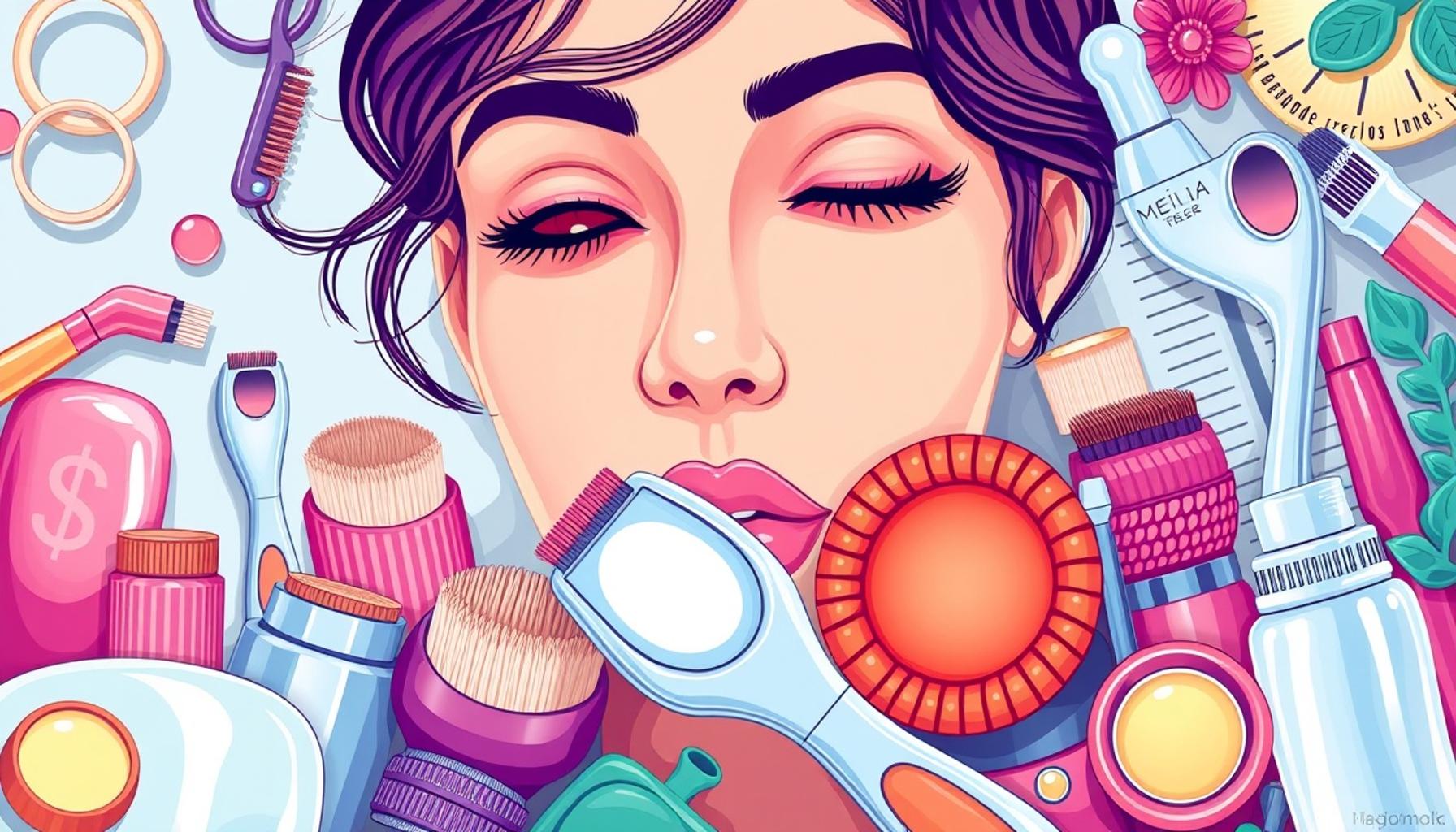
Revolutionizing the Beauty Routine
In recent years, the skincare industry has undergone a dramatic shift, largely fueled by advancements in technology. This transformation has not only affected the efficacy of products but has also changed consumer habits and expectations. The tools we use today bear little resemblance to those of the past, resulting in a profound evolution in how we care for our skin. Understanding this evolution reveals not only how we approach skincare but also how science and innovation are reshaping the beauty landscape.
From Manual to Digital
Historically, beauty routines relied heavily on manual application techniques. Simple tools like sponges and brushes were the norm, creating a space where personal technique and knowledge reigned supreme. Innovations have now introduced a range of high-tech devices that significantly enhance the effectiveness and convenience of our skincare routines. Some notable examples include:
- Smart Facial Brushes: These devices go beyond traditional cleansing brushes. By synchronizing with smartphone apps, they offer personalized skincare plans tailored to individual skin types and concerns.
- LED Therapy Masks: Utilizing the power of light therapy, these masks target various skin conditions, from stubborn acne to fine lines and pigmentation. By delivering specific wavelengths of light, they stimulate collagen production and promote skin rejuvenation.
- Microcurrent Devices: Often referred to as “facial gym machines,” these tools use low-level electrical currents to stimulate facial muscles, resulting in a lifted and toned appearance without invasive procedures.
These technological advancements not only streamline daily routines but also provide consumers with a deeper understanding of their skin, allowing for a more personalized approach to skincare.
The Role of Ingredients and Formulation
In addition to tools, technology has also revolutionized skincare formulations. The fusion of skincare science with technology has led to significant advancements, enabling brands to provide solutions that were previously unimaginable. Innovations in this space have resulted in:
- Advanced Delivery Systems: New technologies ensure that active ingredients penetrate deeper into the skin, maximizing their effectiveness and delivering better results.
- Customizable Serums: Brands are harnessing AI and skin analysis technology to create customizable serums that cater to individual needs, addressing specific skin concerns effectively.
- Biotechnology-Enriched Products: The use of lab-derived ingredients and bioactive compounds allows for enhanced efficacy while also considering sustainability and ethical sourcing.
This exploration of evolving beauty tools and formulations highlights the ongoing transformation of skincare practices. As consumers become more informed and engaged, they can make educated choices about the products and technologies they integrate into their routines. With ongoing advancements in both technology and ingredients, the future of skincare promises to be even more exciting and tailored to individual needs.
DISCOVER MORE: Click here to find out which treatments work best for your skin type
The Rise of At-Home Beauty Technology
The surge in advanced skincare tools has made it possible for consumers to achieve professional-grade results right from the comfort of their own homes. This trend has become particularly pronounced in the United States, where beauty enthusiasts are increasingly investing in gadgets that once seemed reserved for high-end spa treatments. As technology continues to evolve, these at-home devices are becoming more accessible, user-friendly, and effective.
Smart Skincare Devices: Transforming User Experience
The integration of smart technology into skincare tools enhances the consumer experience by offering personalized solutions that adapt to individual skin conditions. For instance, skin analysis tools that utilize AI algorithms can assess skin type, hydration levels, and even the effectiveness of current products, providing users with valuable insights to improve their regimen. As a result, tools such as:
- Wearable Skin Sensors: These innovative devices track skin conditions in real-time, alerting users to changes that may require immediate attention or a product adjustment.
- App-Connected Devices: Devices like cleansing brushes and facial rollers can connect to mobile applications, allowing users to receive tailored recommendations and track their skincare progress over time.
- UV Detection Tools: With an increasing focus on sun protection, gadgets that measure UV exposure help users understand their risk of sun damage, contributing to healthier skin practices.
This shift towards at-home beauty technology empowers consumers, making them active participants in their skincare journey. The result is a growing legion of informed individuals who are capable of making educated decisions about which products and tools best address their unique needs.
A New Age of Skincare Education
The marriage of technology and skincare education has resulted in an era where consumers are more knowledgeable than ever. With the presence of online platforms and social media, skincare enthusiasts are now able to share their experiences with various beauty tools, providing insights that can guide potential buyers. The value of user-generated content cannot be overstated; reviews, before-and-after photos, and instructional videos contribute significantly to consumer decision-making.
Moreover, brands are leveraging this digital landscape by creating educational content that demystifies skincare routines. Virtual consultations with dermatologists and skincare specialists enhance this knowledge-sharing process, allowing consumers to make better choices informed by expert advice. Educational tools, combined with advanced beauty devices, ensure that skincare becomes a holistic experience, focusing not only on results but also on understanding the science behind each product.
As technology continues to progress, the beauty tools of tomorrow will undoubtedly become even more sophisticated, making tailored skincare routines not just a luxury but an everyday reality for consumers worldwide. The evolution of beauty tools, blended with an emphasis on consumer empowerment and education, is paving the way for a future where technology and skincare harmoniously coexist.
The Evolution of Beauty Tools: How Technology is Transforming Skincare
The beauty and skincare industry has undergone a remarkable transformation, driven largely by advancements in technology. As consumers become more informed about their skincare needs, they seek out innovative tools that enhance their daily routines. This blend of beauty and technology not only simplifies skincare rituals but also amplifies their effectiveness. Below, we explore various technological advancements that are redefining the world of beauty tools.
| Category | Details |
|---|---|
| Smart Devices | Integration of AI and skincare diagnostics, allowing tailored treatments based on individual skin analysis. |
| Innovative Materials | Use of microneedles and nanotechnology, enhancing product penetration and overall effectiveness of skincare formulations. |
Furthermore, the rise of personalized skincare regimens facilitated by these high-tech tools has propelled consumers to seek products specifically tailored to their unique skin concerns. The use of innovative materials in beauty tools, such as those utilizing microneedles, has been a game changer, allowing deeper penetration of active ingredients into the skin. This not only enhances the absorption of skincare products but also boosts their efficacy, offering more significant results in shorter timeframes.
As technology continues to advance, we can expect further breakthroughs in beauty tools, enhancing the ways in which we understand and care for our skin. These innovations not only promise improved skincare outcomes but also transform consumer experiences in ways we have yet to fully explore.
DISCOVER MORE: Click here to learn about hydration’s role in skin health
Innovative Materials and Sustainable Practices
As the beauty industry evolves, there is an increasing focus on not just technology but also the materials used in skincare tools. The demand for eco-friendly and sustainable products is shaping the design and manufacture of beauty tools, aligning with consumers’ growing awareness of environmental impact. Biodegradable or recyclable materials are becoming the norm, and innovation in this area has given rise to tools such as:
- Biodegradable Facial Cleansing Brushes: Unlike traditional plastic brushes, these new eco-friendly options are made from materials that break down naturally, reducing waste while still providing effective cleansing.
- Reusable Makeup Remover pads: Designed to replace disposable cotton pads, these washable alternatives are not only better for the environment but also more cost-effective in the long run.
- Natural Bristle Brushes: Beauty tools incorporating materials such as bamboo and other sustainably sourced fibers offer a luxurious feel while minimizing environmental footprints.
This shift in materials is supported by an expanding consumer base that prioritizes sustainability. As a result, brands are now racing to innovate not only in the technology that enhances skincare but also in how their products affect the planet.
Augmented Reality and Virtual Try-Ons
Technology’s reach extends beyond traditional tools, as augmented reality (AR) makes its way into skincare and beauty routines. Virtual try-on apps are revolutionizing how consumers interact with products, allowing users to test out various skincare items and makeup looks without leaving their homes. These tools are using advanced algorithms to simulate how products will look based on user-generated selfies, taking into account skin tone and texture. The implications of AR technology are significant:
- Informed Purchase Decisions: Potential buyers can see how a product may appear and perform on their skin, minimizing the risk of returns and dissatisfaction.
- Personalized Recommendations: Utilizing AR in combination with AI-driven analytics, brands can offer personalized product suggestions based on individual preferences and skin types.
- Enhanced Engagement: Brands engaging consumers through innovative technologies foster a closer relationship, creating brand loyalty and encouraging long-term customers.
This immersive shopping experience not only amplifies the overall consumer journey but also represents the future of how beauty tools and products will be marketed and sold.
The Role of Data in Skincare Customization
The significant advancement of data analytics in the beauty industry is transforming how products are developed and marketed. Brands are now collecting consumer data through various channels—from online purchases to social media interactions—allowing them to understand trends, preferences, and even emerging skincare concerns. This data-driven approach leads to:
- Tailored Product Development: Companies can design bespoke skincare solutions that cater to specific demographics or skin issues, resulting in more effective and desirable products.
- Smart Inventory Management: By analyzing buying patterns and consumer behavior, brands can optimize their stock levels, reducing waste and ensuring popular products are readily available.
- Targeted Marketing Strategies: Using precise data insights, brands can craft targeted campaigns that resonate with individual consumers, enhancing engagement and conversion rates.
With data becoming a powerful asset, the future of beauty tools and skincare products is anchored in understanding and responding to consumer needs more effectively than ever before. As this trend continues to evolve, we can expect an even more significant transformation within the skincare landscape as technology reshapes the ways we approach beauty.
DISCOVER MORE: Click here to learn about the science behind skincare
Conclusion
The convergence of technology and sustainability in skincare is ushering in a new era of beauty tools that not only enhance our skincare routines but also reflect our growing conscientiousness regarding the environment. With innovations such as biodegradable facial cleansing brushes and reusable makeup remover pads, consumers are increasingly gravitating toward products that align with their values. Moreover, augmented reality is redefining the shopping experience, enabling users to virtually try on products from the comfort of their homes, thereby transforming how beauty brands engage with consumers.
Alongside these technological advancements, the role of data analytics is pivotal in shaping customized skincare solutions tailored to individual preferences and skin types. This data-driven approach allows brands to respond quickly to emerging trends, optimizing their offerings while fostering closer relationships with consumers. As we move forward, it’s clear that the intersection of technology, sustainability, and personalization will continue to reshape the beauty landscape.
For consumers and beauty enthusiasts alike, the future holds exciting prospects as beauty tools become more effective, eco-friendly, and tailored to our unique needs. Staying informed and embracing these innovations will not only enhance personal skincare routines but will also contribute to a more sustainable beauty industry that prioritizes both individual wellness and environmental health. As this dynamic field continues to evolve, one thing is certain — the future of beauty tools is bright and filled with endless possibilities.