
The Journey of the Anti-Hero: Exploring Unconventional Perspectives in Adventure Stories
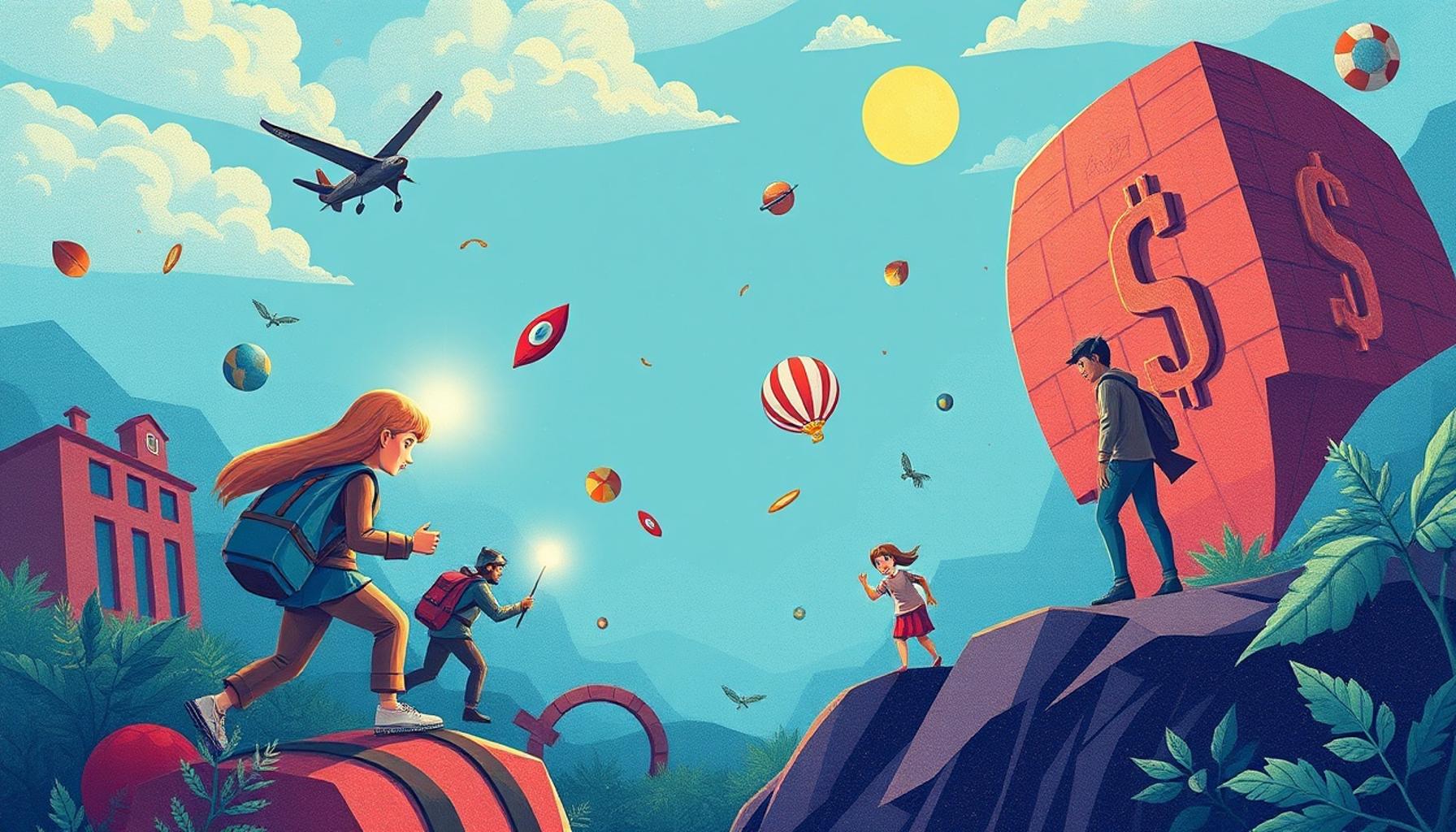
The Allure of Anti-Heroes in Storytelling
In the realm of storytelling, the anti-hero stands out as a fascinating figure. Unlike traditional heroes, anti-heroes often grapple with moral ambiguity, showcasing flaws that resonate with audiences. Their journeys invite readers to explore the depth of character and the complexity of human nature. The intrigue surrounding these characters often lies in their imperfections and the choices they make, challenging conventional perceptions of right and wrong.
These unconventional protagonists bring unique elements to adventure stories, adding layers of intrigue and depth. Consider the following characteristics of anti-heroes:
- Moral Complexity: Anti-heroes frequently operate in gray areas, complicating black-and-white notions of good and evil. For instance, think of Loki from Marvel’s Thor series, whose cunning nature leads to acts that blur the lines of heroism and villainy.
- Relatable Flaws: They possess qualities that mirror real-life struggles, such as addiction, jealousy, or the pursuit of redemption. A perfect example is Sherlock Holmes, who, despite his brilliant mind, battles his own demons, including substance abuse, making him a deeply relatable character, despite his eccentricities.
- Transformative Arcs: Their journeys often involve profound personal growth and transformation, which keeps the audience engaged. For example, anti-heroes like Tony Stark (Iron Man) evolve from egotistical weapons manufacturers to selfless defenders of Earth, illustrating the potential for change within us all.
Examples of iconic anti-heroes in American literature and film abound, highlighting the diverse manifestations of this archetype:
- Walter White from “Breaking Bad” — who transitions from a meek high school chemistry teacher to a ruthless drug lord, challenging viewers to reconsider their notions of morality and necessity.
- Deadpool from Marvel Comics — known for his dark sense of humor and an irreverent approach to his craft, this mercenary not only breaks the fourth wall but also engages audiences in discussions about morality and consequence.
- Jay Gatsby from “The Great Gatsby” — with his enigmatic past and obsessive love, Gatsby embodies the struggle for identity and belonging, making him an enduring figure in American literature.
As we dive deeper into the world of anti-heroes, we uncover how these characters challenge traditional heroism and captivate audiences. Their journeys not only redefine adventure narratives but also prompt us to reflect on our own values and choices. In a world that is rarely black and white, anti-heroes help explore the fascinating nuances of humanity, making their stories both compelling and profoundly engaging.
The Evolution of the Anti-Hero’s Journey
The journey of the anti-hero is a captivating exploration of flawed humanity, one that resonates deeply with contemporary audiences. Unlike traditional narratives that glorify a singular, unblemished hero, the journey of the anti-hero challenges us to confront our own complexities. This shift reflects broader societal changes in how we view morality and the human experience. As we dissect the evolution of anti-heroes, we can identify key themes that emerge throughout their stories.
Moral Ambiguity and the Human Condition
At the heart of the anti-hero’s journey is a profound exploration of moral ambiguity. As the world becomes increasingly complicated, audiences have developed a thirst for narratives that embody the struggle between good and evil. Characters like Dexter Morgan from “Dexter,” a forensic blood spatter analyst by day and a vigilante killer by night, exemplify this complexity. Dexter’s attempts to reconcile his darker urges with his desire to do good present a narrative where morality is not absolute but rather a spectrum shaped by context. This ambiguity prompts viewers to grapple with ethical questions and reflect on their own moral compasses.
Personal Struggles and Societal Reflection
The anti-hero’s journey is often laden with personal struggles that mirror societal issues. Flaws such as addiction, trauma, or mental health challenges make these characters relatable, allowing audiences to see parts of themselves within their narratives. The character of Holden Caulfield from J.D. Salinger’s “The Catcher in the Rye” exemplifies this further; he battles depression and a pervasive sense of alienation, echoing the internal conflicts faced by many today. Through such portrayals, anti-heroes offer a lens through which we can examine the complexities of mental health and the quest for identity in a chaotic world.
Redemption Arcs: The Promise of Change
Equally compelling is the potential for redemption that often accompanies the anti-hero’s journey. Unlike traditional heroes who may experience gradual growth, anti-heroes often embark on turbulent paths filled with setbacks and revelations. Take Hank Moody from “Californication,” who grapples with his self-destructive tendencies while striving for artistic integrity and personal connection. His journey highlights the struggles of reconciling one’s past choices with aspirations for a better future, showing that redemption is as much about acknowledging one’s flaws as it is about aspiring to be better.
These journeys challenge us to consider how unconventional narratives can effectively communicate profound truths about human nature. With a focus on moral complexity, personal struggles, and the possibility of redemption, anti-heroes redefine what it means to embark on an adventure. As audiences, we are left to navigate the rich tapestry of their lives, intrigued by their flaws and inspired by their resilience. In the next section, we will delve into specific examples from literature and film that epitomize these themes, illuminating how the anti-hero’s journey remains relevant in today’s storytelling landscape.
The Evolution of the Anti-Hero in Literature and Film
The anti-hero has long been a captivating character for audiences, paving the way for narratives that challenge traditional notions of heroism. Unlike the classic hero who embodies righteousness and courage, the anti-hero often walks a murky line between good and evil, providing a refreshing perspective in adventure stories. This complex characterization facilitates a deep exploration of moral ambiguity, motivating readers and viewers to reflect on their own beliefs and values.In contemporary literature and film, the portrayal of the anti-hero has evolved significantly. Today’s anti-heroes often grapple with personal demons, embodying traits that resonate with the modern reader’s experiences, such as vulnerability, guilt, and a desire for redemption. For instance, characters like Walter White from “Breaking Bad” and Tyrion Lannister from “Game of Thrones” showcase how a flawed past can lead to compelling narratives that delve into the darker side of human nature. These representations force audiences to confront uncomfortable truths about society and themselves, making their journeys both thrilling and relatable.By diving deeper into the anti-hero’s psyche, creators provide a more profound understanding of what it means to be human. This exploration fosters empathy, allowing audiences to identify with characters who make morally questionable decisions. The ongoing rise of anti-heroes in adventure stories also raises questions about accountability and the nuances of choice—crucial themes in today’s narratives. As the anti-hero continues to evolve, so too does our appreciation for the complexity of character and the multifaceted nature of storytelling. This ongoing fascination invites readers and viewers alike to embark on their own journeys—questing for meaning amidst the chaos and ambiguity of life.
| Character Trait | Impact on Storytelling |
|---|---|
| Moral Ambiguity | Encourages audiences to question traditional values and engage with complex narratives. |
| Relatability | Fosters a deep emotional connection, allowing readers to reflect on their own flaws and desires. |
This nuanced understanding of the anti-hero not only captivates audiences but also paves the way for groundbreaking stories that redefine adventure, creating a new wave of interest in unconventional perspectives.
Unconventional Narratives and the Anti-Hero’s Appeal
The anti-hero’s journey often unfolds through unconventional narratives that subvert traditional storytelling elements. This deviation from the norm not only makes these characters memorable but also aligns with the growing desire for authenticity in fiction. With a focus on characters who reject the status quo, writers are creating stories that resonate with audiences craving depth and complexity.
Complex Backstories as a Driving Force
One of the defining features of the anti-hero is the complex backstory that informs their motivations and actions. Unlike conventional heroes whose pasts tend to serve as mere backdrops, anti-heroes are shaped by their experiences, traumas, and interpersonal relationships. Walter White, from the critically acclaimed series “Breaking Bad,” exemplifies this narrative approach. Initially portrayed as a hapless chemistry teacher diagnosed with cancer, Walter’s transformation into a ruthless drug lord reveals the intricacies of ambition, family dynamics, and ethical decay. His descent captures the audience’s fascination and draws them into a world where moral boundaries blur, urging viewers to reconsider their own judgments about right and wrong.
Subversion of Traditional Heroic Themes
The anti-hero’s narrative arc often subverts traditional heroic themes, challenging preconceived notions of what it means to be a hero. Consider Mad Max, from the “Mad Max” franchise. In this post-apocalyptic landscape, Mad Max does not embark on a quest for glory or justice; rather, he fights primarily for survival. This inversion of heroic themes promotes an alternative lens through which we can view sacrifice, resilience, and vulnerability. By placing the emphasis on raw survival rather than noble pursuits, filmmakers and storytellers tap into deeper existential questions, resonating profoundly with an audience uncomfortable with the certainties of simplistic heroism.
The Gendered Anti-Hero: A Distinct Lens
The journey of the anti-hero is not limited to male characters; female anti-heroes have emerged powerfully in recent years, adding a vital perspective to the narrative landscape. Characters such as Jessica Jones and Daria Morgendorffer exemplify this trend. Jessica, a former superhero turned private investigator, confronts her traumatic past and battles vicious enemies, while navigating her own psychological challenges. This confrontation blends the narrative of personal strife with societal issues, as Jessica often grapples with sexism, trauma, and her identity as a victim turned fighter. Daria, on the other hand, embodies the anti-heroine trope through her sharp wit and existential cynicism, critiquing modern society while maintaining a stance of detachment that engenders both amusement and sympathy. The presence of female anti-heroes signifies an important shift in representation, showcasing the multifaceted nature of heroism irrespective of gender.
Breaking the Mold: Diverse Storytelling
As adventure stories continue to evolve, the portrayal of anti-heroes increasingly reflects a broader spectrum of culture and identity. Characters from diverse backgrounds such as Miles Morales in “Spider-Man: Into the Spider-Verse” represent not only the challenges of upbringing and societal expectations but also the cultural richness and identity struggles that define their journeys. By embedding these elements within their narratives, storytellers illuminate the different experiences and voices that contribute to the anti-hero’s journey, affirming that the quest for meaning and identity transcends traditional boundaries.
Through exploring unconventional narratives and diverse portrayals, the journey of the anti-hero captivates audiences in search of depth and relatability. As their adventures unfold, anti-heroes illuminate the complexities of the human experience, offering perspectives that resonate powerfully in today’s interconnected world.
Conclusion: The Anti-Hero’s Enduring Legacy
The journey of the anti-hero serves as a compelling reminder that heroism is multifaceted and often resides in the shadows of societal norms. Through deeper explorations of complex backstories and the subversion of traditional themes, these characters reveal the intricacies of ethical ambiguity, enriching the narrative landscape of adventure stories. As we witness the rise of anti-heroes in modern media, we are also challenged to reconsider our own values and perceptions of justice, morality, and personal growth.
This unconventional perspective not only captivates audiences but also fosters empathy for those grappling with their flaws and failures. The diversification of the anti-hero, including the powerful representation of female characters and individuals from various backgrounds, emphasizes that every journey is unique and shaped by a myriad of factors. In doing so, both creators and viewers find common ground in shared struggles for identity and purpose.
As stories featuring anti-heroes continue to proliferate, from television series to cinematic masterpieces, they invite us to delve deeper into the human experience. By unraveling the layers of these complex characters, we can better appreciate the emotional depth and nuanced storytelling they offer. The journey of the anti-hero captivates our imagination and encourages us to reflect on the nature of heroism—a conversation that is as pertinent today as ever. Therefore, as you engage with these narratives, take the time to explore the motivations and challenges that mold these anti-heroes, and perhaps, discover pieces of your own journey within their stories.